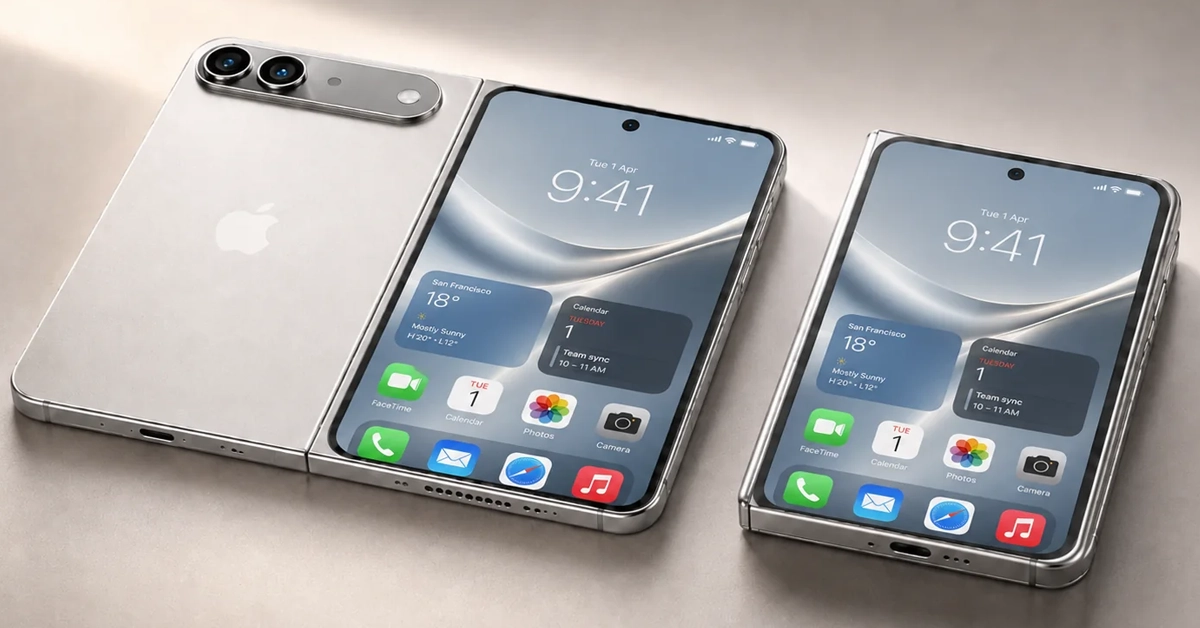
Apple Has Finally Folded: Meet the iPhone Duo
Apple finally enters the foldable phone race with the iPhone Duo, alongside the iPhone 18 Pro and new AI features. Samsung, of course, got there first.
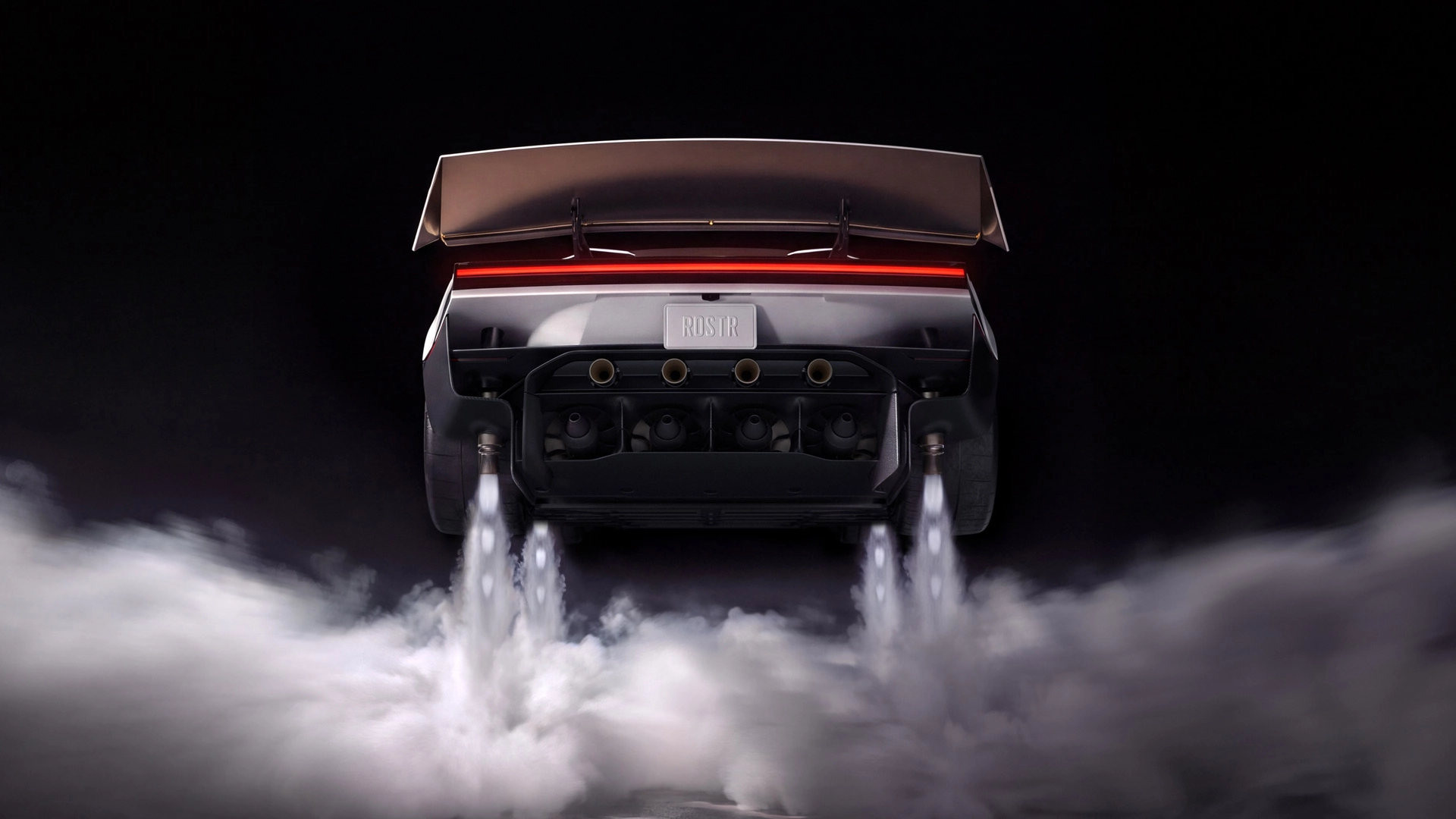
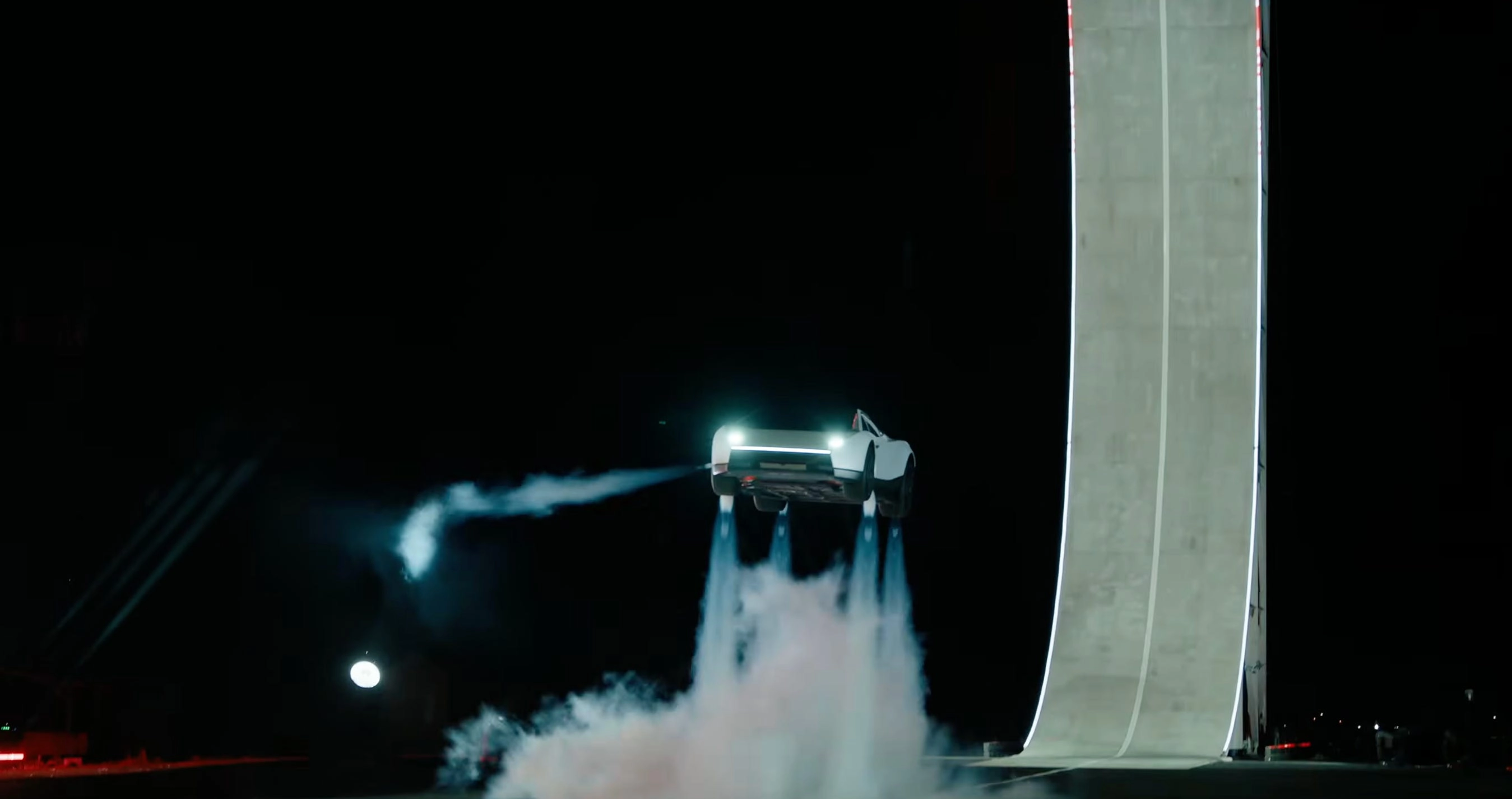
Elon Musk has finally unveiled the new Tesla Roadster, and it does something no one expects from a sports car: it leaves the ground. During a spectacular presentation in Texas on October 15, the long-awaited electric supercar drove upside down, launched itself into the air and performed a midair rotation before landing back on its wheels. Yes, Tesla has apparently decided that driving on the road is no longer exciting enough.
The demonstration took place at SpaceX's testing facility in McGregor, Texas, where Musk introduced the redesigned Roadster nearly nine years after its original announcement. The sleek white sports car has undergone a dramatic transformation, with sharper lines, an angular silhouette and futuristic details inspired by military aircraft.
But its appearance was hardly the evening's biggest surprise. Developed with technology from SpaceX, the Roadster uses compressed-gas thrusters to generate enough force to lift the vehicle briefly into the air. A powerful suction system also allows it to cling to surfaces, which explains the rather extraordinary moment when the prototype traveled upside down along a specially designed ramp.
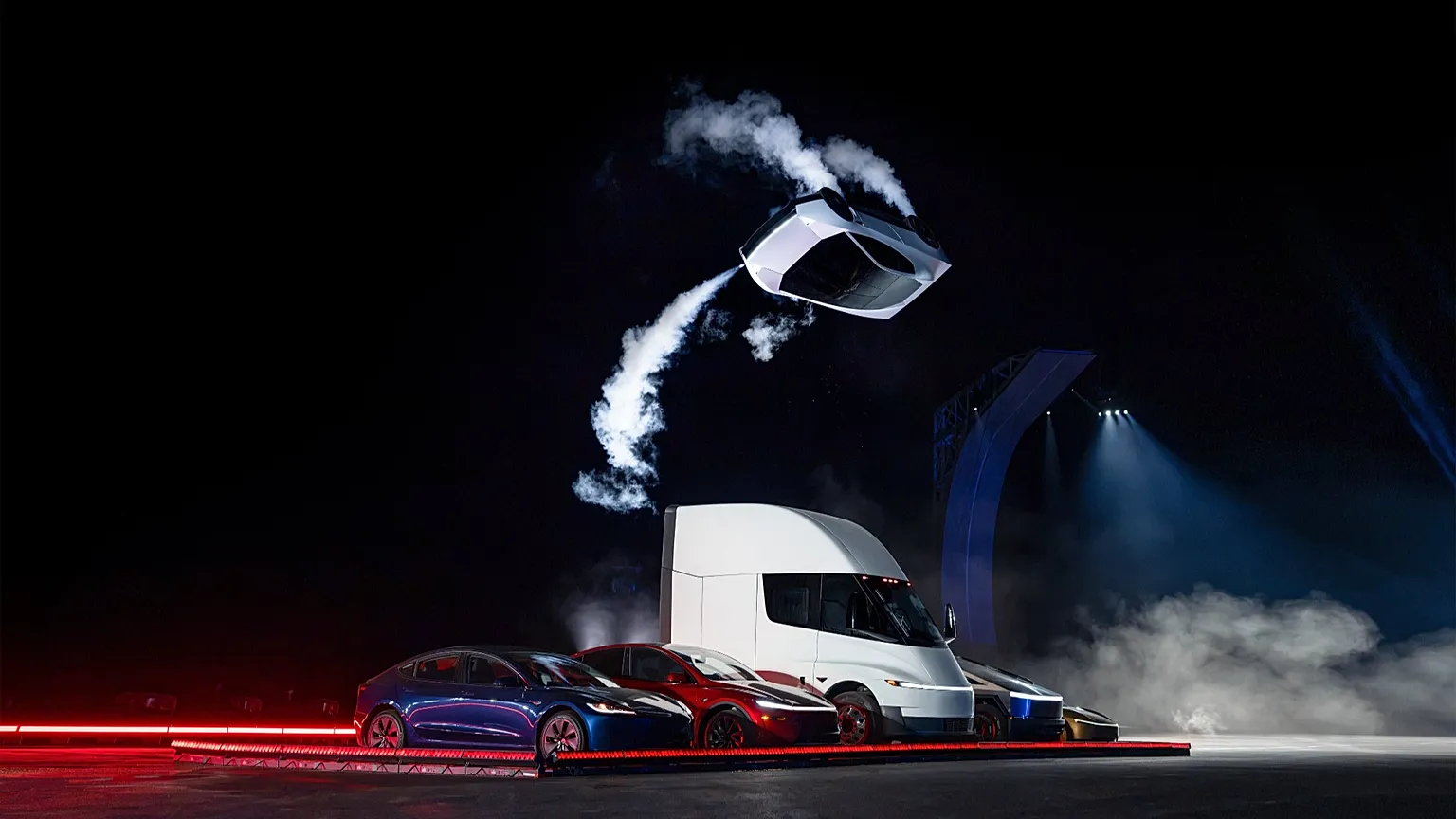
Tesla also demonstrated the car jumping over a lineup of vehicles, including a Cybertruck and a Cybercab. Musk described the technology as something beyond what audiences have seen in movies, although the Roadster's airborne abilities are still limited to short maneuvers rather than actual sustained flight.
The performance figures are equally ambitious. According to Tesla, the thruster-equipped Roadster can accelerate from 0 to 60 mph in less than one second, with a claimed top speed exceeding 230 mph (370 km/h). The company estimates a driving range of more than 300 miles (480 kilometers) on a single charge. Those figures have yet to be independently verified in a production vehicle.
Three versions are planned. The two-seat Performance model focuses on conventional driving and track performance, while the Thrust adds rear-mounted propulsion technology for even faster acceleration. The most extreme version, appropriately named Rocket, has a single seat and ten thrusters designed for short airborne maneuvers. That version is invitation-only and has not been approved for public-road use.
Naturally, a car this unusual comes with an equally unusual reservation process. Tesla is asking for a $50,000 deposit for the Performance model and $250,000 for the Thrust version. Final prices have not been announced.
The Roadster's history makes the unveiling particularly interesting. Tesla first presented its second-generation sports car in 2017, promising deliveries by 2020. The launch was postponed repeatedly, while Musk continued teasing extraordinary performance and even the possibility of flight. The company now expects production to begin in 2028.
There's another curious detail: while Tesla is increasingly focused on autonomous vehicles, Musk says the Roadster is intended to be its last car designed primarily for human driving.
For now, the flying demonstrations remain prototype technology, and customers face another wait before they can get behind the wheel. But after almost a decade of promises, Tesla has finally given the Roadster an entrance worthy of a science-fiction movie.
Make the opening more preciseSharpen the editorial voiceClarify prototype limitations
Apple finally enters the foldable phone race with the iPhone Duo, alongside the iPhone 18 Pro and new AI features. Samsung, of course, got there first.
After ten years together, Cristiano Ronaldo and Georgina Rodriguez married at their home in Portugal with Gucci looks, Chopard diamonds and their children by their side.
Taylor Swift and Travis Kelce’s wedding took place at Madison Square Garden, turning New York into the center of attention with celebrity guests, fans and major security measures.