Tom Holland Is Now the Highest-Grossing Actor in Film History
Following the success of Spider-Man: Brand New Day and The Odyssey, Tom Holland’s films have earned more than $15.5 billion worldwide.
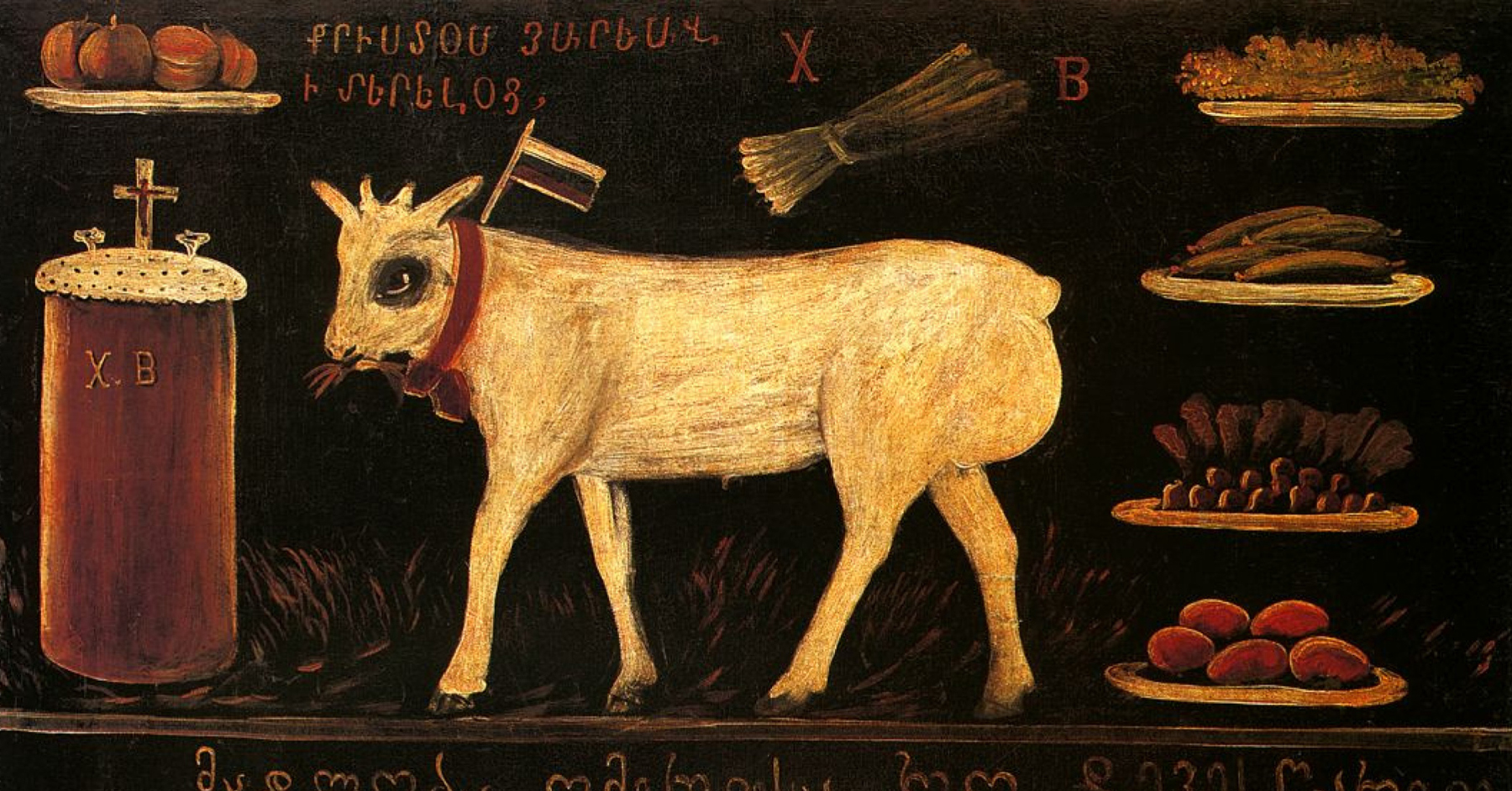
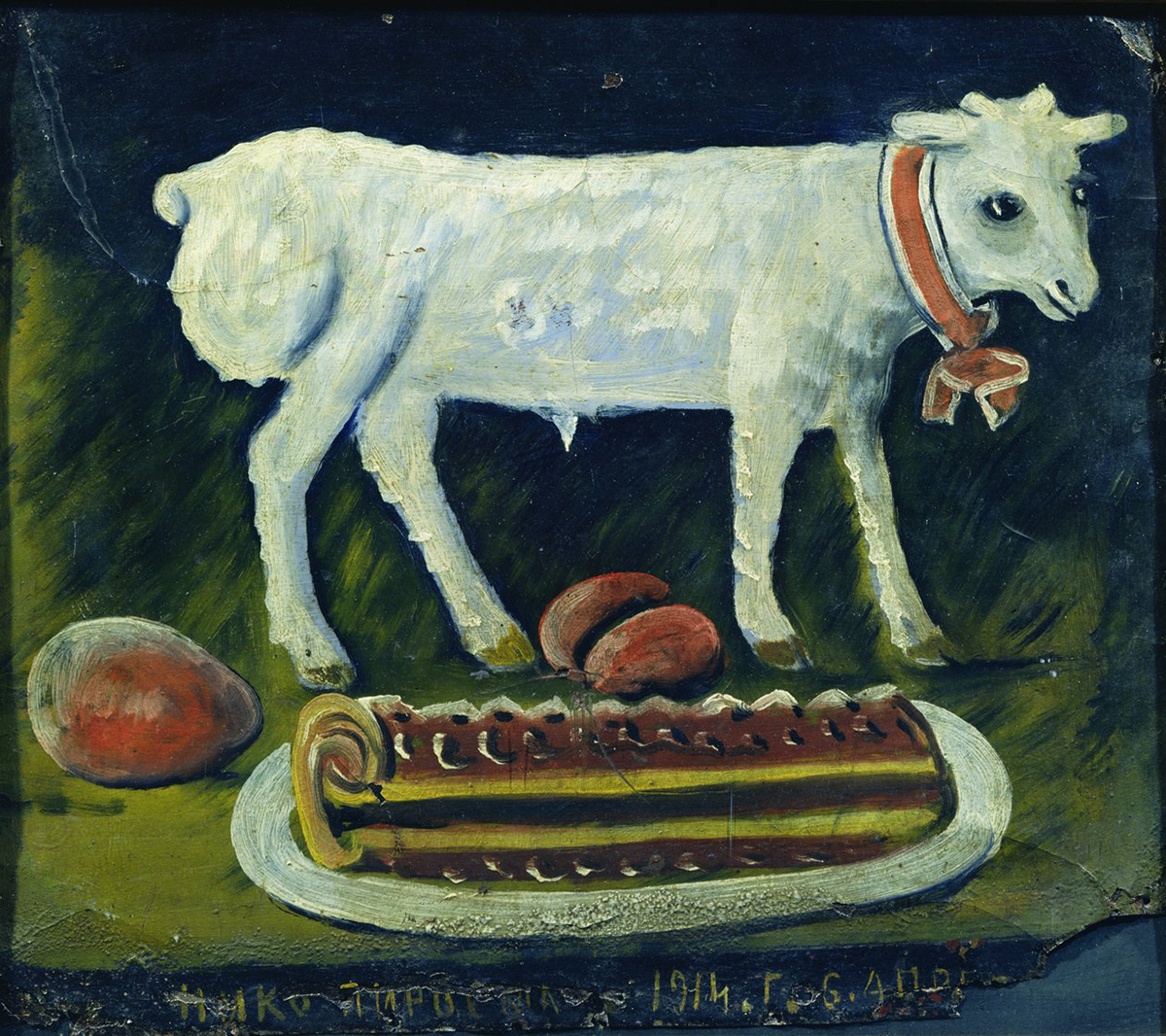
On this quiet Easter Sunday, as the world pauses in reflection and renewal, the art of Niko Pirosmani offers a rare, sacred calm.
Pirosmani, the self-taught Georgian painter whose works now line museum walls and memory alike, painted not for fame but out of devotion. He was a man of solitude and struggle, but also of clarity. There is a kind of spiritual minimalism in his work—a stripping away of distraction to arrive at the essential. And during Easter, a season rooted in essence itself, Pirosmani’s visual language feels particularly profound.

In a number of his paintings, Easter quietly reveals itself not through overt symbolism, but through gesture and presence.
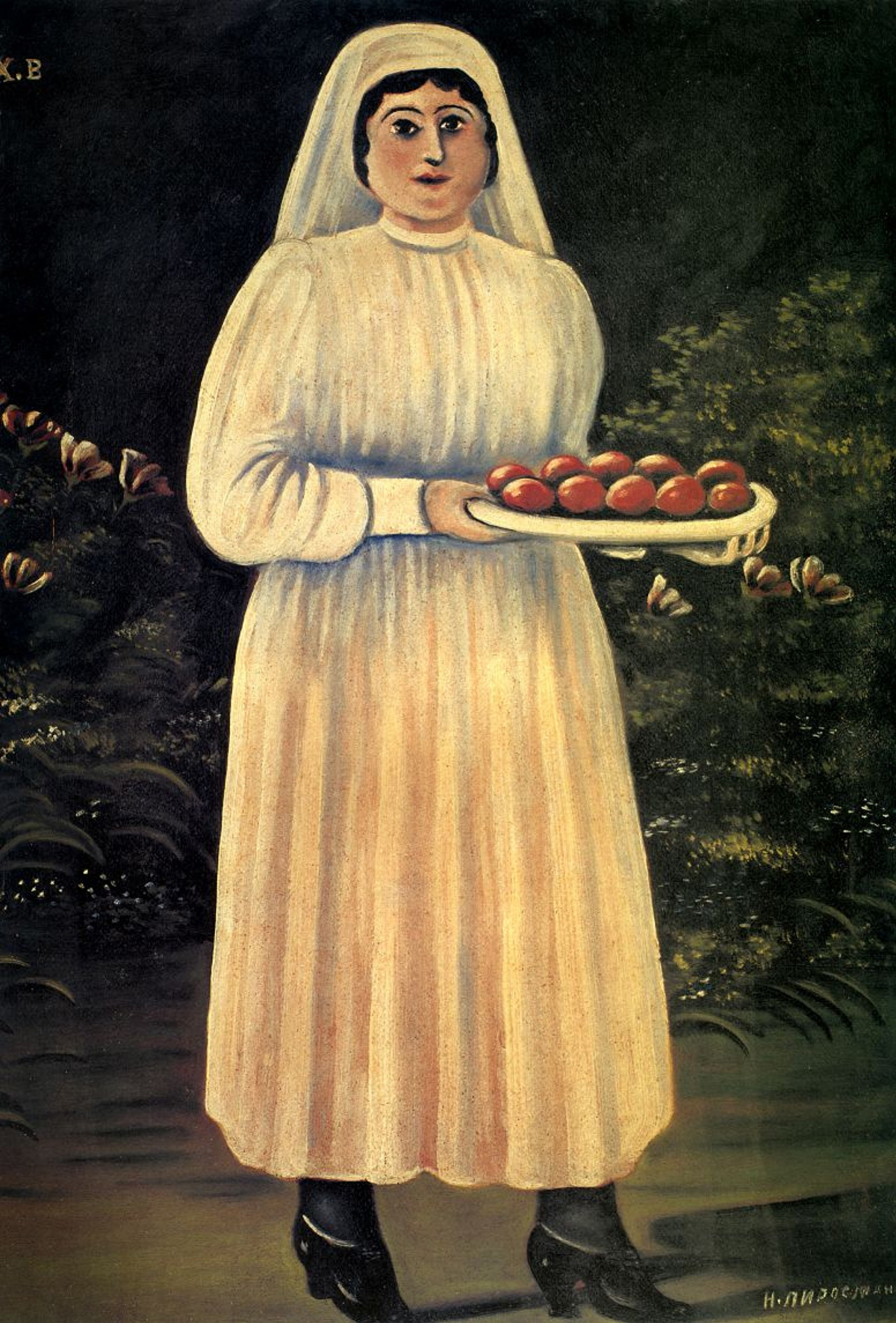
Pirosmani’s palette, often limited to shadowed browns, smoky blacks, and the soft glow of candlelight, evokes the mood of twilight liturgies and village chapels. In his paintings, light comes not from the sun but from within. This quality makes his Easter scenes less about spectacle and more about spirit.
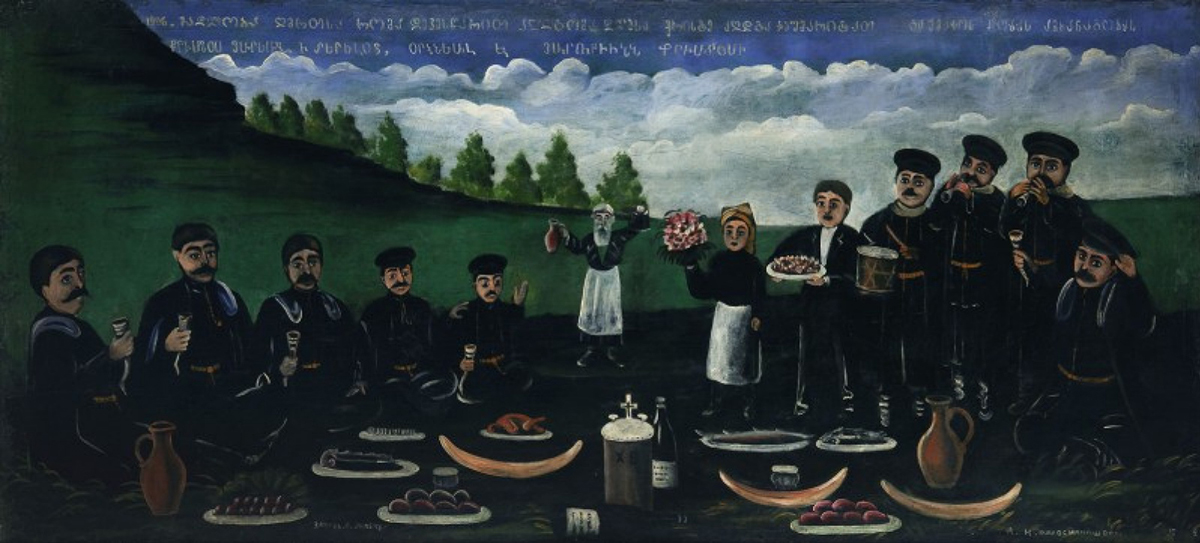
Born in 1862 in the Georgian village of Mirzaani, Pirosmani lived a life far from the polished circles of the art world. He worked as a herdsman, a sign painter, and a railroad conductor—painting by night, exchanging paintings for hot meals, and sleeping in abandoned buildings. And yet, his gift was immortal. He captured the unspoken rhythms of Georgian life: feasts, animals, saints, children, and quiet acts of devotion.
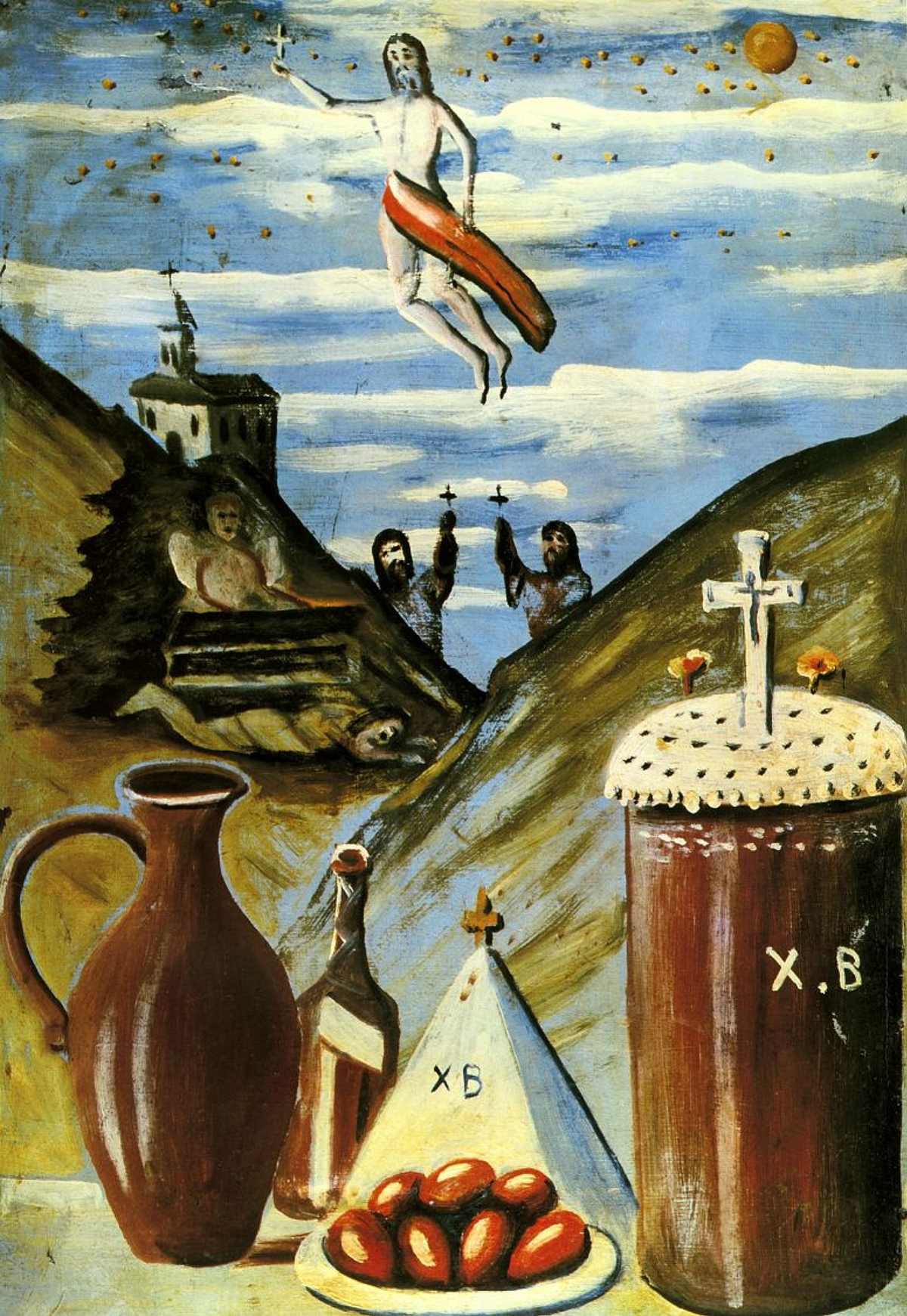
To see Pirosmani’s Easter-inspired works is not just to observe a scene. It is to witness a world in which the sacred is always near—whether in the softness of a lamb’s wool, the bowed head of a woman, or the flicker of a flame in the dark.
Following the success of Spider-Man: Brand New Day and The Odyssey, Tom Holland’s films have earned more than $15.5 billion worldwide.
Georgian singer Natia Todua has been named the face of Jazztage Dresden 2026 and will perform “From Georgia with Soul” with her band on October 11.
Céline Dion begins her sold-out Paris residency, returning to the concert stage after a six-year absence caused by stiff person syndrome.