
Is Bitcoin Entering Another Crypto Winter?
Bitcoin extended its decline from 2025 highs, pressured by tighter liquidity, weaker institutional demand, and broader market uncertainty driving investors away from speculative assets.
| Niniko Bojgua|
Technology has become part of the modern atmosphere, present in the way we navigate cities, book travel, shop, and stay connected, often without thinking about the systems underneath. Connectivity now sits alongside design, culture, and commerce as an invisible framework of contemporary life. It is in this context that MWC Barcelona has grown into one of the most important global events in the digital calendar.
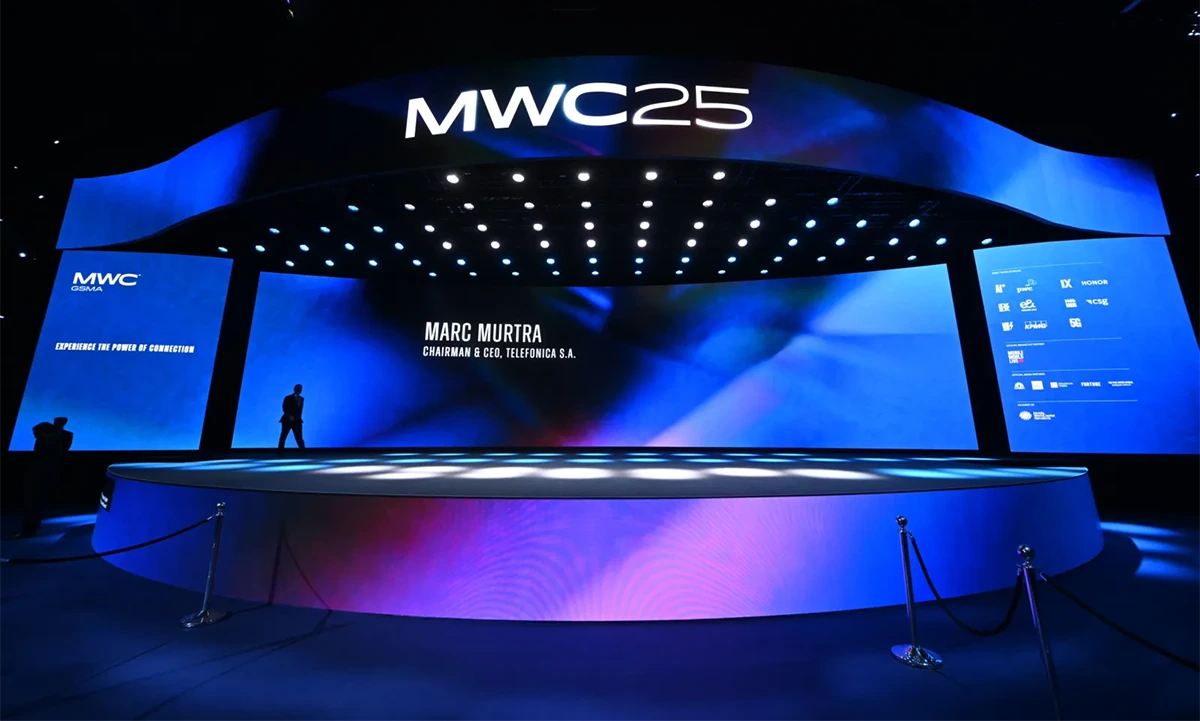
Mobile connectivity is expected to add nearly $11 trillion to the global economy by 2030, driven by the expansion of 5G, IoT, and AI-enabled services. What may sound like an abstract projection is, in reality, a reflection of how deeply networks are shaping the next decade of global infrastructure, influencing not only communication, but productivity, mobility, and the digital services people increasingly rely on.
This was the central message at MWC Barcelona 2025, held from March 3 to 6 at Fira Barcelona Gran Via. The event remains the world’s largest annual meeting for the telecom and connectivity sector, bringing together mobile operators, technology companies, policymakers, and business leaders to define the future of networks at scale.
One of the key themes of MWC25 was the industry’s transition to 5G Standalone, the next stage of 5G technology. More advanced and more flexible, it is designed to support faster performance and new categories of services, particularly in enterprise environments and urban infrastructure. The shift signals that connectivity is moving beyond consumer speed upgrades toward systems built for real-time digital economies.
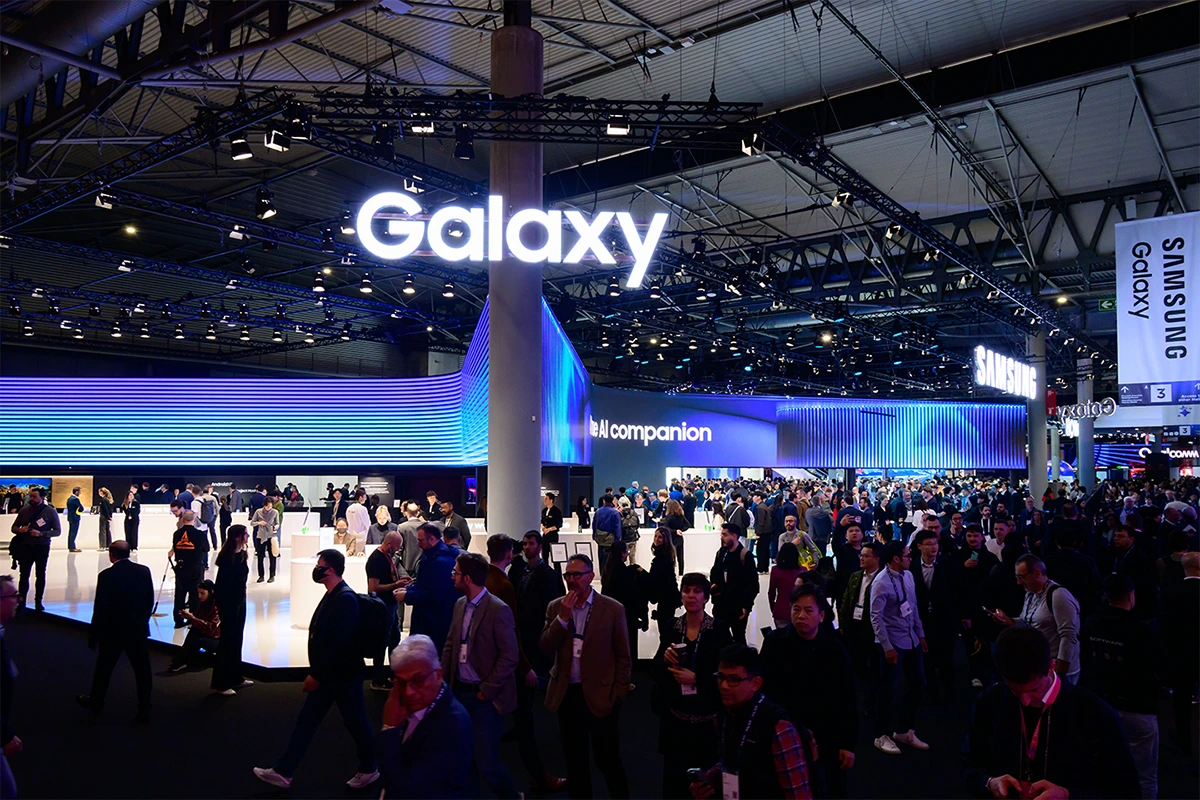
Artificial intelligence was another defining presence across the congress. AI is increasingly being integrated into networks themselves, making connectivity smarter, more adaptive, and more efficient. This convergence is shaping sectors far beyond telecom, influencing digital healthcare, entertainment ecosystems, travel services, and the personalized technologies that are becoming part of everyday routines.
Alongside the congress, the GSMA released its Mobile Economy Report 2025, noting that mobile technologies generated $6.5 trillion in economic value in 2024, equivalent to 5.8 percent of global GDP. By 2030, that figure is expected to rise sharply, with the strongest gains projected in sectors such as manufacturing, accommodation and food services, and public administration, where connected systems can significantly improve efficiency and services.
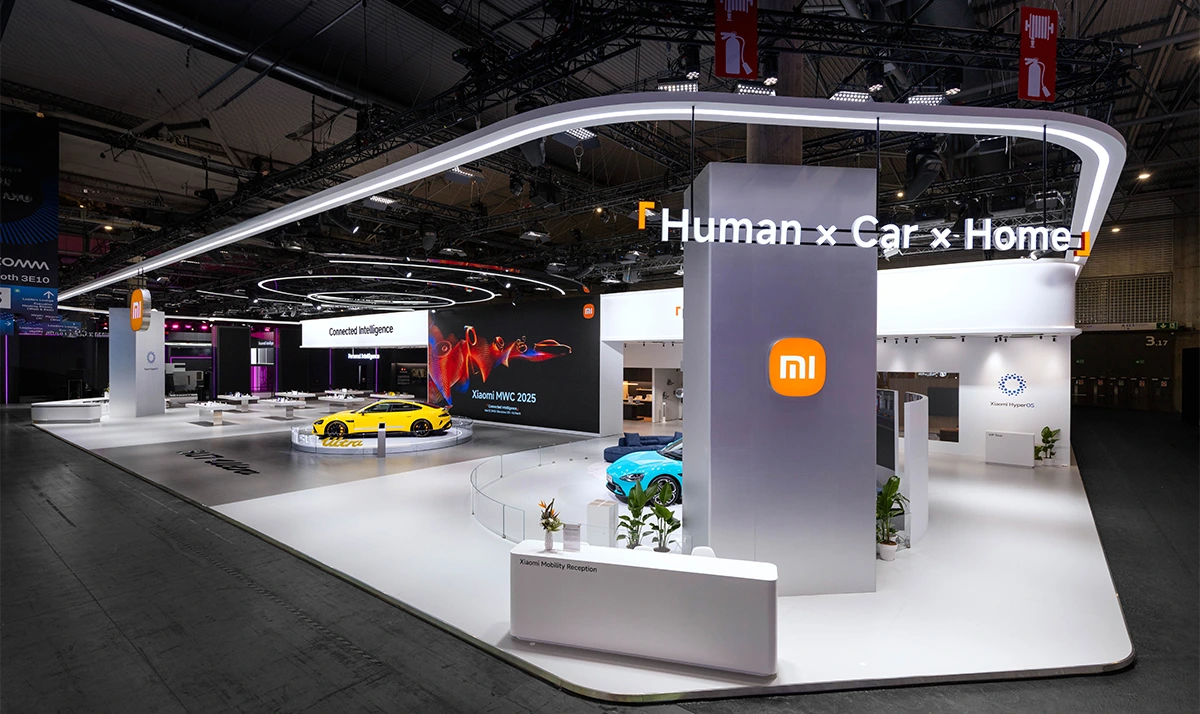
MWC Barcelona 2026, scheduled for March 2 to 5, is expected to continue this direction, with an even stronger focus on intelligent connectivity and AI-driven infrastructure. What begins in Barcelona each year increasingly becomes the digital standard soon after, shaping the networks and systems that define contemporary life.
Bitcoin extended its decline from 2025 highs, pressured by tighter liquidity, weaker institutional demand, and broader market uncertainty driving investors away from speculative assets.
AI-generated models are reshaping fashion imagery, from Mango campaigns to global advertising. As digital faces enter luxury spaces, the industry confronts questions of authenticity, labor rights, and the future of human presence.