Is Bitcoin Entering Another Crypto Winter?
Bitcoin extended its decline from 2025 highs, pressured by tighter liquidity, weaker institutional demand, and broader market uncertainty driving investors away from speculative assets.
Fashion is built on faces. Now it is testing what happens when the face becomes software.

For decades, the model has been more than a body wearing clothes. She has been a cultural figure, a professional presence, a collaborator in the construction of fashion’s most enduring images. A campaign face carries biography, status, recognition, and the subtle authority of a real person occupying space. That is precisely why the arrival of AI-generated models has not landed as a simple innovation, but as a shift that touches something structural in the industry.
The past year has made one thing clear: AI models are no longer speculative. They are already circulating through advertising, retail content, and digital campaigns. Yet the idea that they are fully replacing human models remains overstated. What is happening instead is more selective. Fashion is adopting synthetic faces where imagery functions as scalable production, while resisting them where the human presence still defines credibility.

Brands operating at the speed of commercial content have moved first. Mango’s AI-generated campaign for its Teen line was presented as a milestone in innovation, but it also revealed the practical logic behind the technology. Digital models compress timelines, reduce logistical demands, and allow endless visual iterations. In this space, AI is less about fantasy than about efficiency.
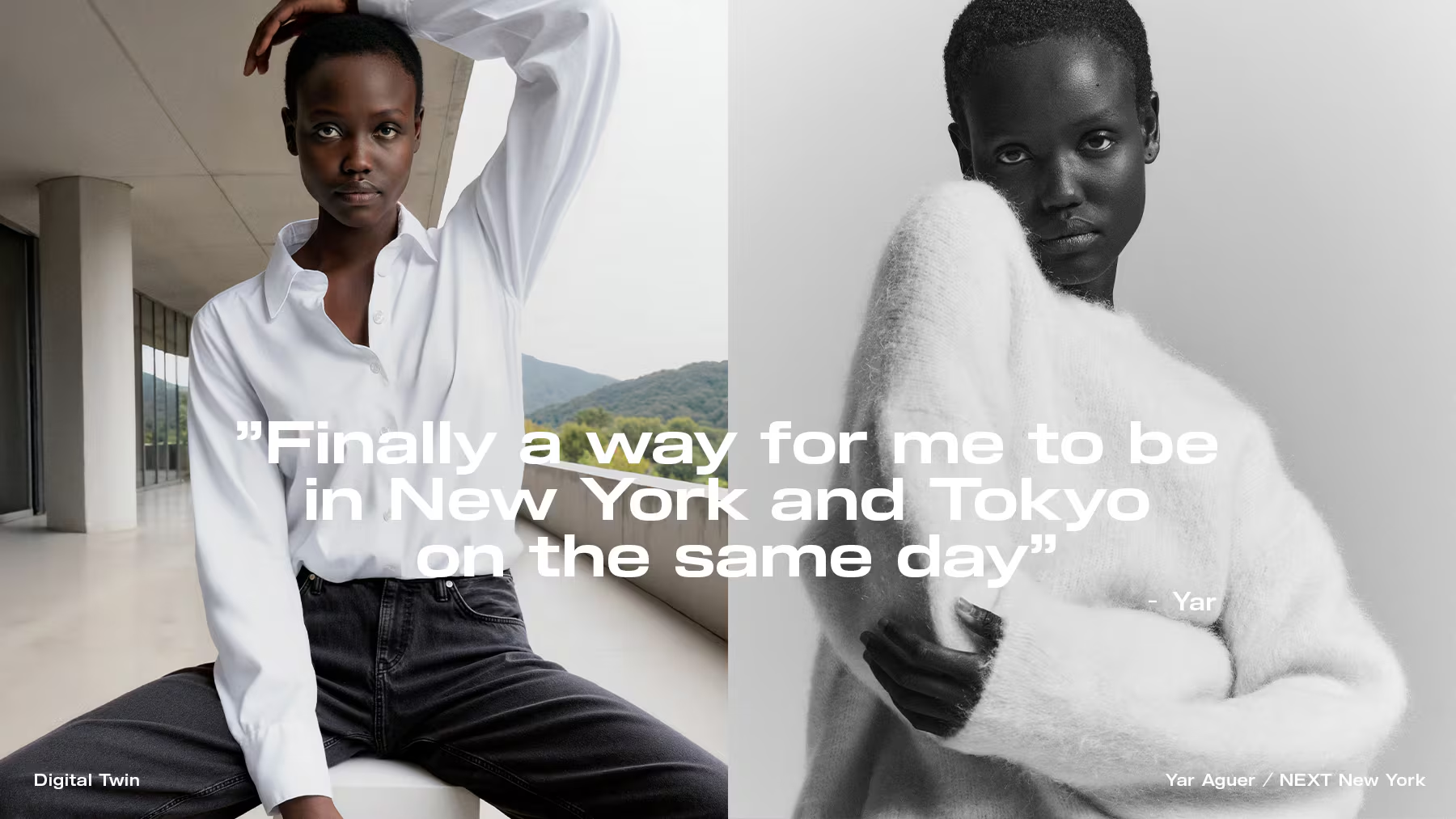
Other companies are pursuing a more cautious middle ground. H&M’s widely discussed strategy of creating “digital twins” based on real models reflects an industry attempting to extract technological advantage without provoking cultural backlash. The digital twin does not erase the model, but it transforms her likeness into an asset that can be replicated, licensed, and redeployed. It is fashion’s attempt at compromise: keeping the human origin intact while expanding the mobility of the image.
AI imagery reached a new threshold in 2025 when Guess ran clearly labeled synthetic model advertisements in a major American fashion title. The reaction was immediate, not because the images were unrealistic, but because simulation had entered the visual space of prestige. Fashion is now confronting whether its imagery remains rooted in reality or becomes entirely constructed.
Digital models are increasingly treated as a commercial tool, while ethical standards remain unsettled.
Resistance has focused on rights and labor. Model Alliance has warned of non-consensual replication and the displacement of paid work. New York’s Fashion Workers Act now requires consent for digital replicas, with disclosure rules for synthetic performers beginning to follow. The fashion image is becoming a regulated identity asset.

Some brands have taken explicit positions against AI-generated bodies altogether. Dove has pledged not to use AI to create or distort women’s images, tying the decision to the psychological pressure of beauty standards. Aerie has similarly rejected AI-generated people in advertising, reinforcing a long-standing commitment to realism.
What emerges is not a future without models, but a hybrid economy of representation. AI models will continue to expand in e-commerce, performance marketing, and content environments where speed and scale dominate. They will offer brands control and efficiency. Yet the highest cultural layers of fashion still depend on what AI cannot generate: presence, biography, recognition, and the intangible authority of a real person.
Fashion has always been able to invent new surfaces. The question now is how much of the human it is willing to subtract in the process.
Bitcoin extended its decline from 2025 highs, pressured by tighter liquidity, weaker institutional demand, and broader market uncertainty driving investors away from speculative assets.
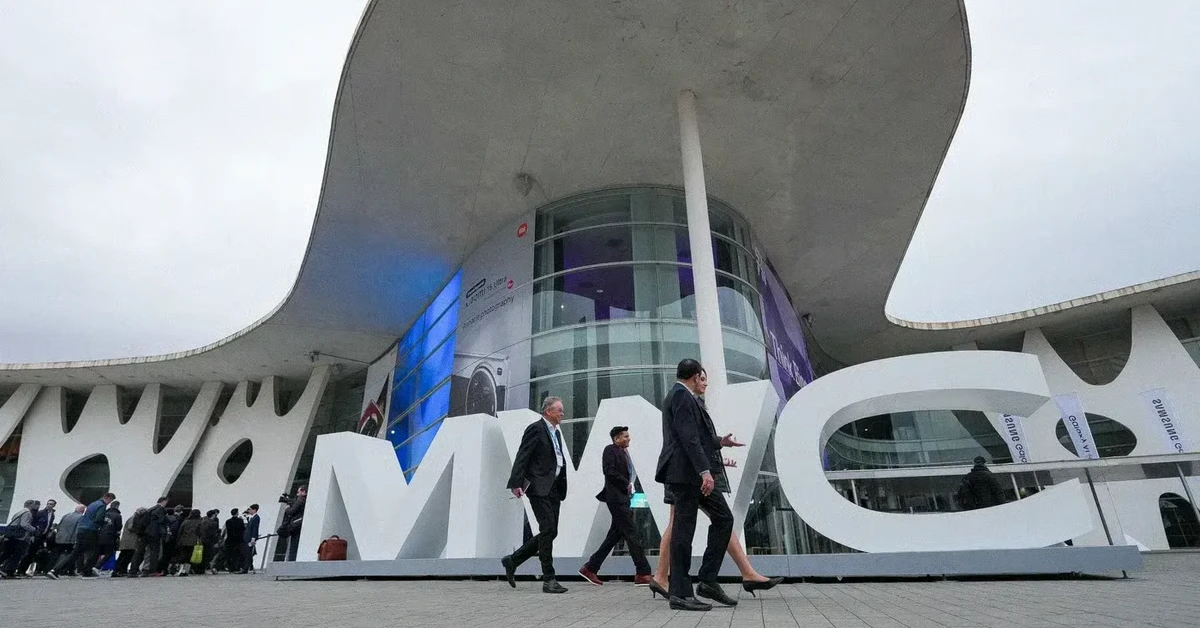
MWC Barcelona 2025 explored how 5G Standalone and AI-driven networks could add nearly $11 trillion to the global economy by 2030, shaping the next era of intelligent connectivity and digital infrastructure.