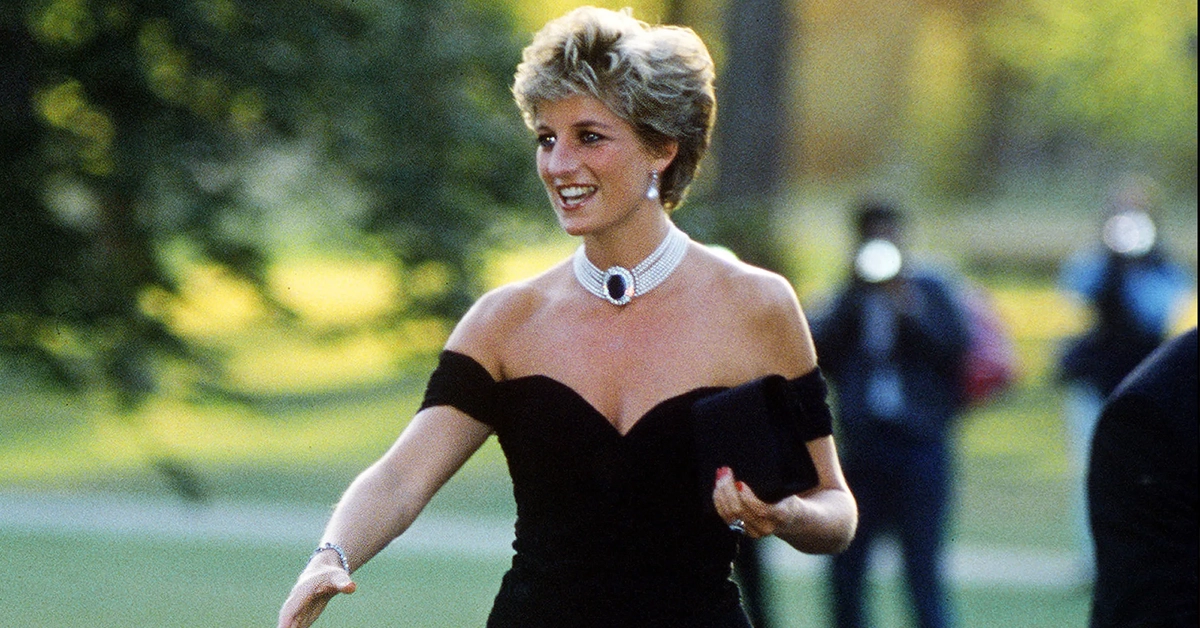
Princess Diana’s Revenge Dress Goes to Auction
Princess Diana’s iconic “Revenge Dress” by Christina Stambolian is going to auction at Sotheby’s New York.
For the past 17 years, Iranians have lived in a state of near-constant confrontation with an authoritarian system. Protests have flared and subsided, leaders have promised stability, and repression has followed with grim consistency. Yet the demonstrations unfolding now defy comparison. Their scale, persistence, and breadth suggest not another episode of dissent, but the culmination of pressures that have been building for nearly half a century.
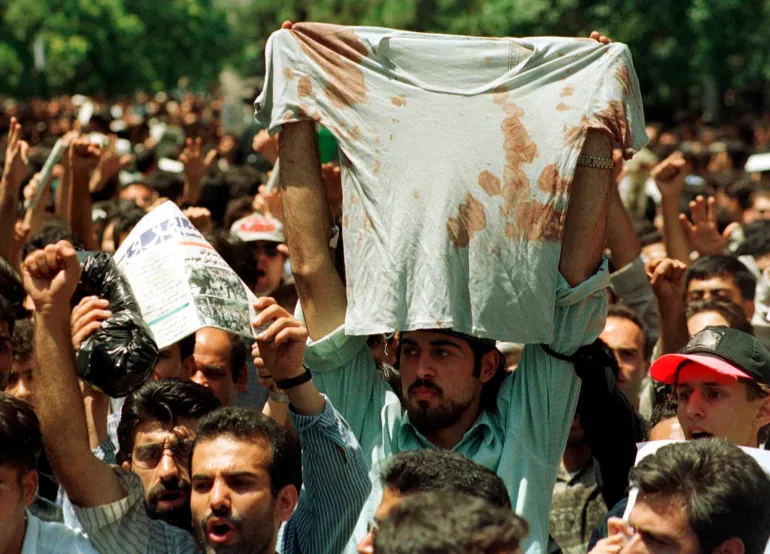
Security forces have responded with tear gas and live ammunition. The exact number of those killed remains unknown, but estimates point to casualties in the thousands. Images circulating from Tehran recall earlier moments of rupture in Iran’s modern history: a protester holding a friend’s blood-stained shirt; crowds filling streets long familiar with unrest. These scenes are not new, but the context has shifted.
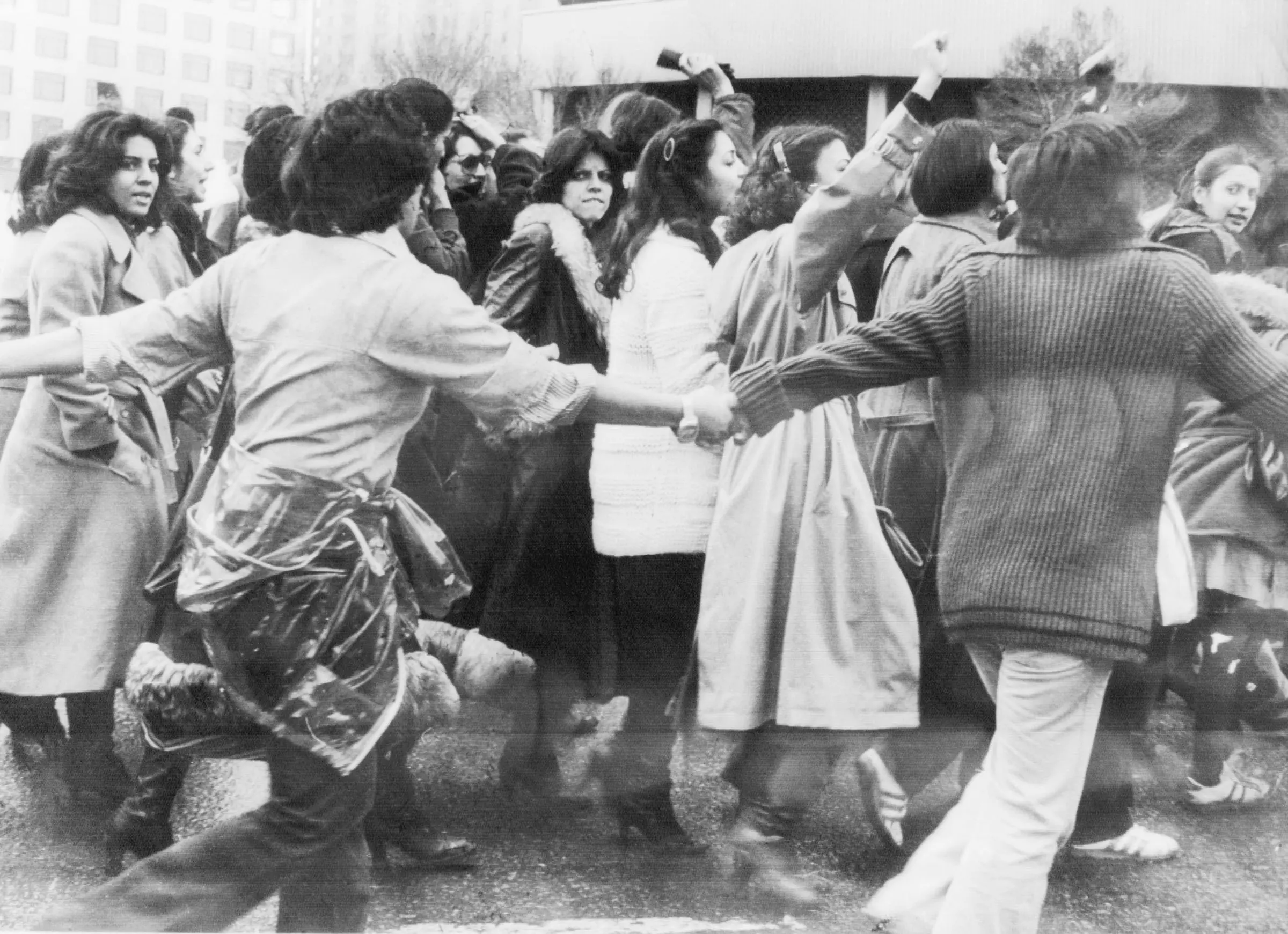
On 28 December, Iran’s currency collapsed to around 1.48 million rials to the US dollar. What began as economic anger in Tehran’s Grand Bazaar quickly drew in students and ordinary citizens. Within days, demonstrations had spread nationwide. As inflation and unemployment collided with long-standing political grievances, calls for economic relief gave way to demands for the overthrow of the Islamic Republic itself.
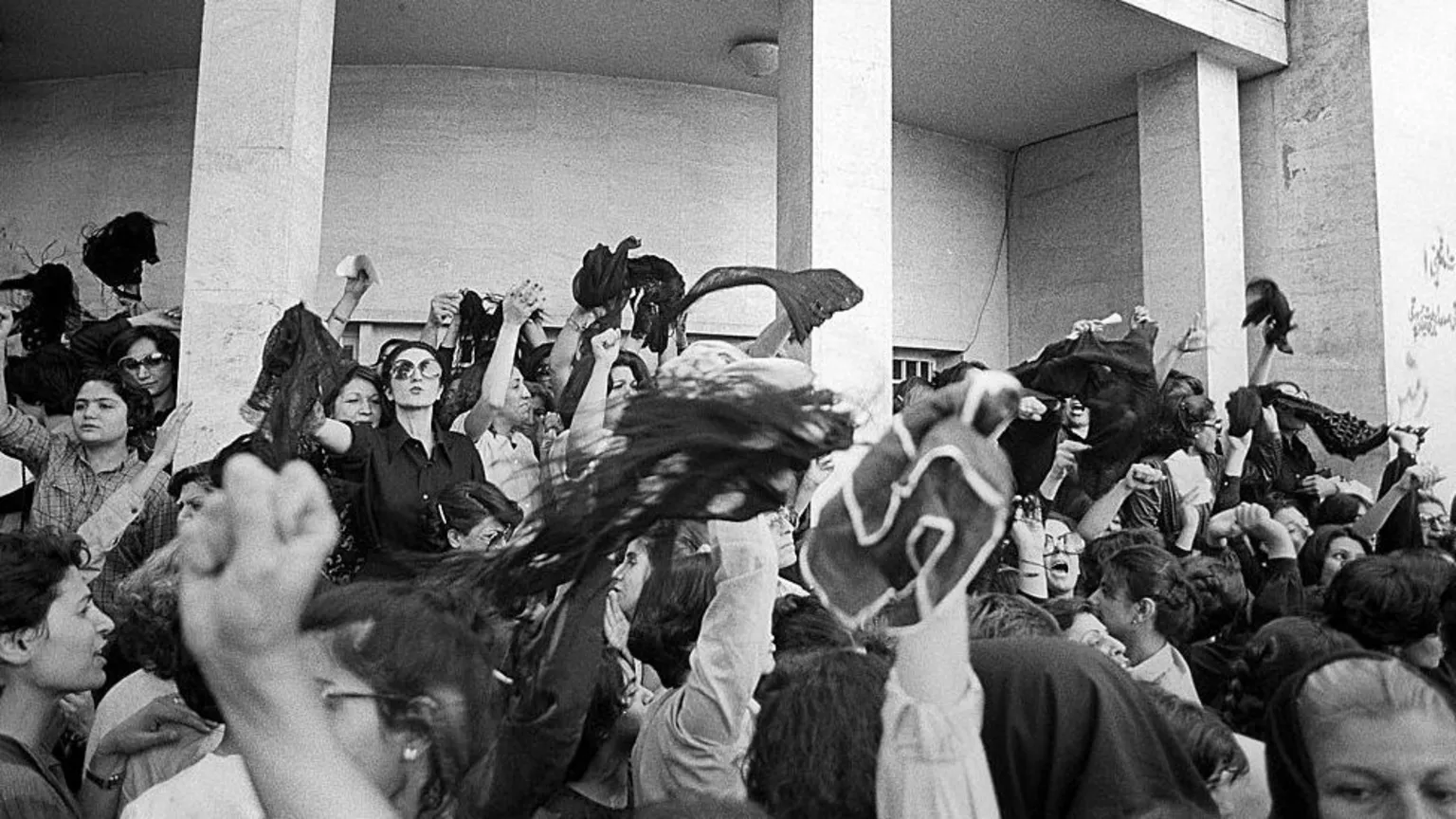
The current regime has ruled since 1979, and for many of Iran’s nearly 90 million citizens, its legitimacy has long since eroded. The compulsory hijab, the presence of morality police, and the steady erosion of personal freedoms have defined daily life for decades. Each generation has inherited the same struggle, but with fewer illusions about reform from within.
Women have been central to this history of resistance. From the anti-hijab protests of the early revolutionary years to the demonstrations following the death of Mahsa Amini in custody in 2022, the demand for bodily autonomy has repeatedly exposed the limits of the system’s authority. The slogan “Woman, Life, Freedom” did not emerge in a vacuum; it distilled decades of defiance into three words.

What distinguishes the present moment is both intensity and response. With protests escalating, authorities have shut down internet and phone services across the country, severing Iran from the outside world for more than 156 hours. The blackout appears designed to conceal the scale of the crackdown as much as to disrupt coordination among demonstrators.
Iran’s supreme leader, the 86-year-old Ayatollah Ali Khamenei, presides over a state that has relied increasingly on isolation and force. Reports of mass arrests and impending executions have circulated widely, though officials later signalled that planned executions had been halted following international pressure. “We have been informed by a very important source that, for now, the killing of people has stopped and will not resume,” said US president Donald Trump, referring to reports that several executions scheduled for that day had been cancelled.

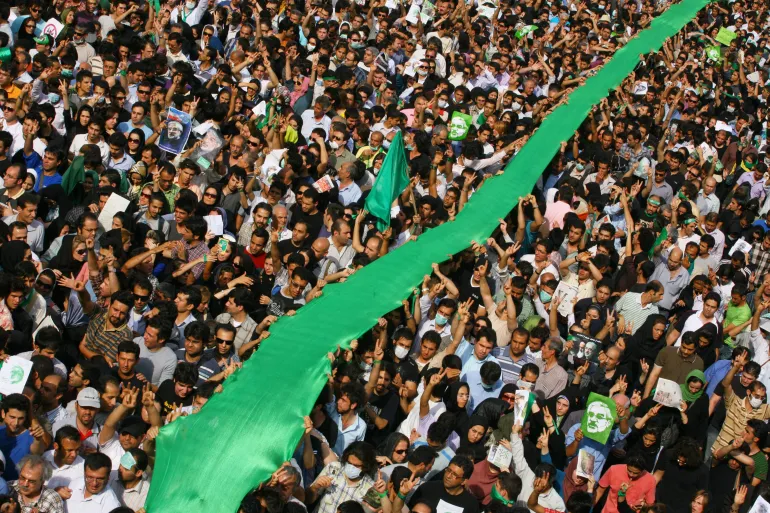
Iran has reached moments like this before. In 1979, millions took to the streets to overthrow a monarchy, convinced that a more just future lay ahead. Instead, new restrictions replaced old ones, and hope gradually gave way to disillusionment. The protests of 2009, and again those sparked by Mahsa Amini’s death, each seemed at the time like possible turning points. None proved decisive.
What is happening now carries a different energy. The movement is broader, less deferential, and less willing to retreat. It is driven not by a single incident but by accumulated grievance: economic collapse, social repression, and a political system that offers no credible path to change.

In moments when information is scarce and the risk of silence is greatest, attention itself becomes a form of solidarity. The Iranian people are not protesting for symbolism alone. They are demanding the return of their voices and their future. Even under an information blackout, that demand has found ways to travel beyond Iran’s borders.
Princess Diana’s iconic “Revenge Dress” by Christina Stambolian is going to auction at Sotheby’s New York.
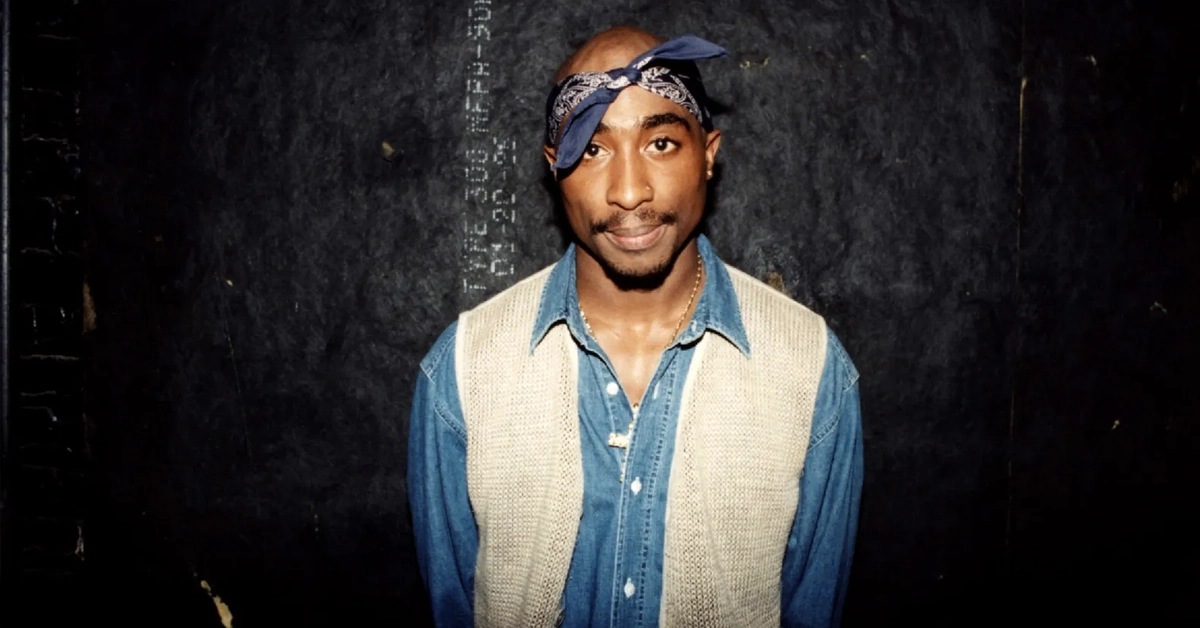
Duane “Keffe D” Davis has been found guilty of first-degree murder nearly 30 years after Tupac Shakur was fatally shot in Las Vegas.
Pullman Paris Montparnasse, part of Accor's premium Pullman brand, is hosting Pullman xChange, an interactive cultural event inspired by "The Source Code," bringing together creators, innovators, and thought leaders for 24 hours of immersive experiences, dialogue, and meaningful connections.