Lisa Batiashvili Performs at the Tsinandali Festival 2026
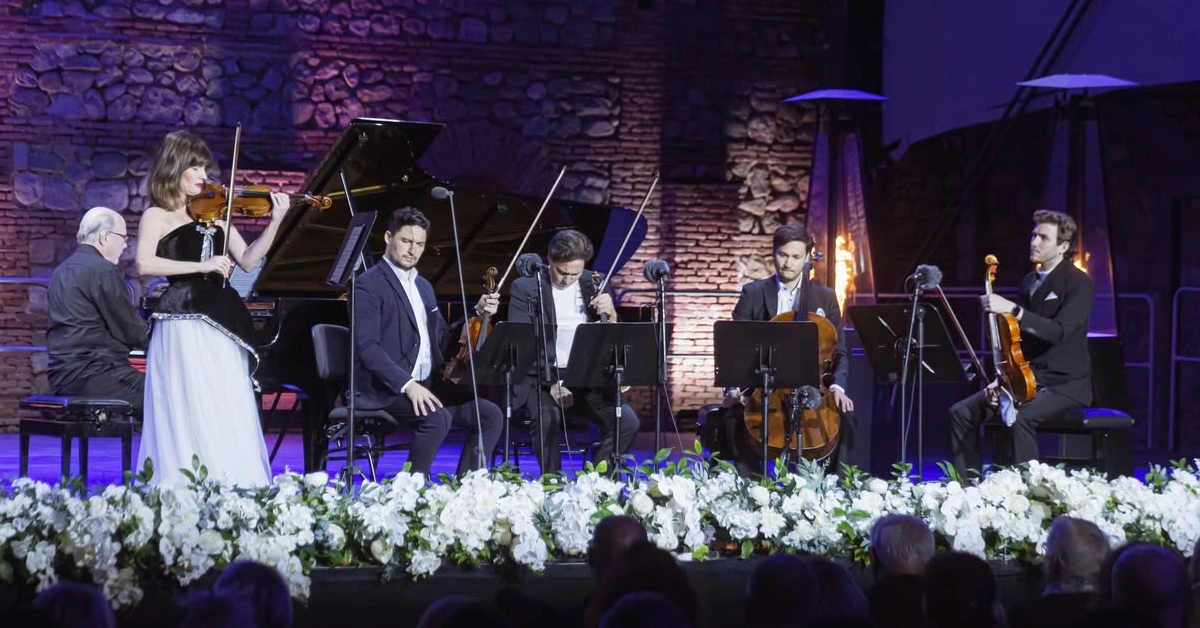
Lisa Batiashvili performed at the 2026 Tsinandali Festival with Marc-André Hamelin and the Schumann Quartet, marking her third appearance at this year’s edition.
Set in Kakheti, eastern Georgia, Tsinandali Estate was already a cultural gathering place in the 19th century. Its owner, Prince Aleksandre Chavchavadze – poet, translator, military figure, and one of the founders of Georgian Romanticism – hosted writers, artists, diplomats, and musicians at the estate, where classical music was part of its social and intellectual life. Chavchavadze is also credited with introducing the grand piano to Georgia.
This history gives Tsinandali an unusually natural connection to classical music, one that predates the festival by nearly two centuries.
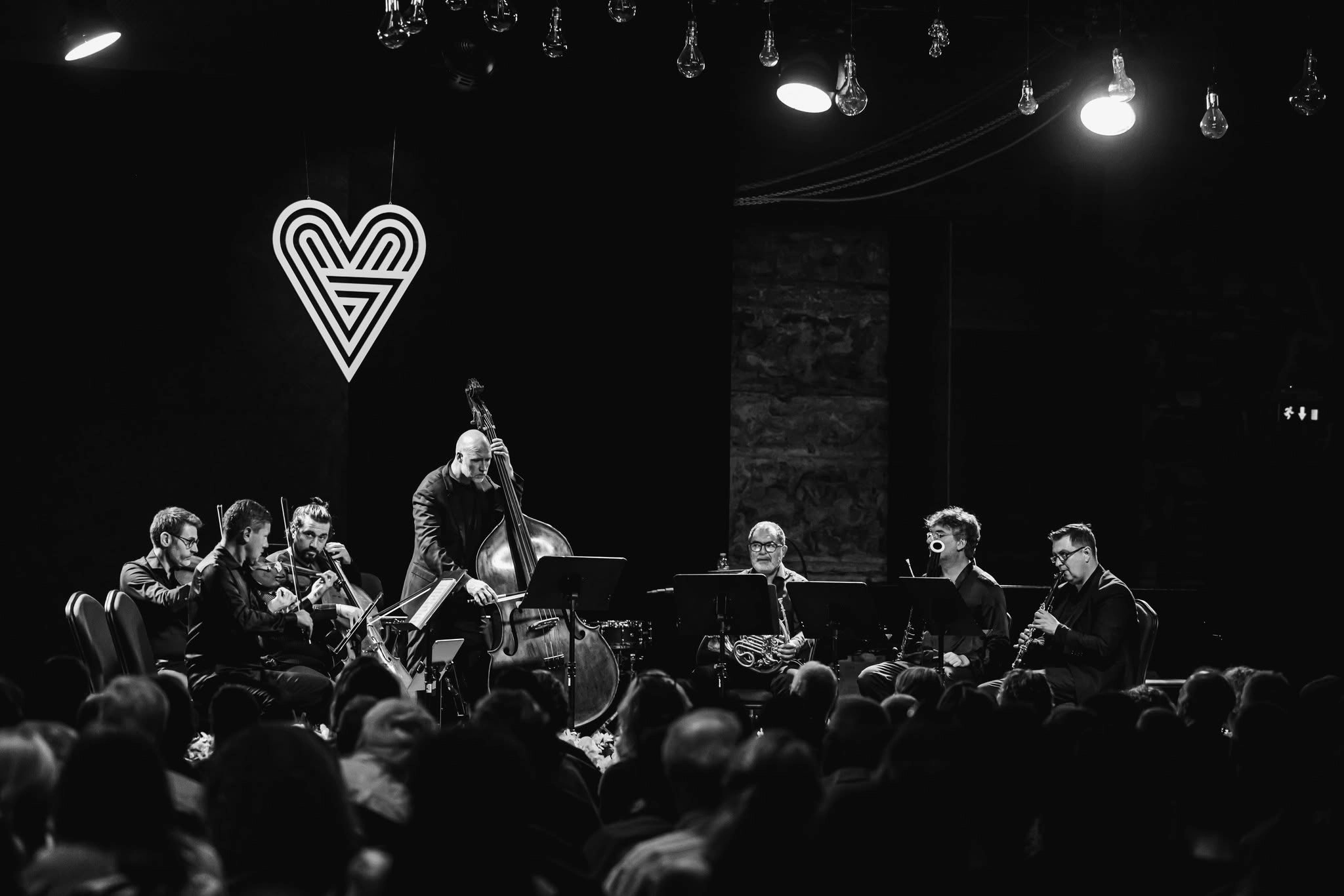
The Tsinandali Festival was established there in 2019. Held every September, it brings internationally recognized soloists, conductors, and ensembles to Kakheti for a program of orchestral and chamber music, recitals, and opera. Its 2026 edition runs from September 3 to 13, with performances taking place primarily in the estate’s amphitheater and chamber music hall.
What distinguishes Tsinandali from a conventional destination festival is the Pan-Caucasian Youth Orchestra, which has been part of the project since its first edition. Led by music director Gianandrea Noseda, the full symphony orchestra brings together musicians aged 18 to 28 from Georgia and other countries across the Caucasus and neighboring regions. Before appearing onstage, the musicians spend several weeks in Tsinandali working with coaches, conductors, and soloists from established international orchestras.
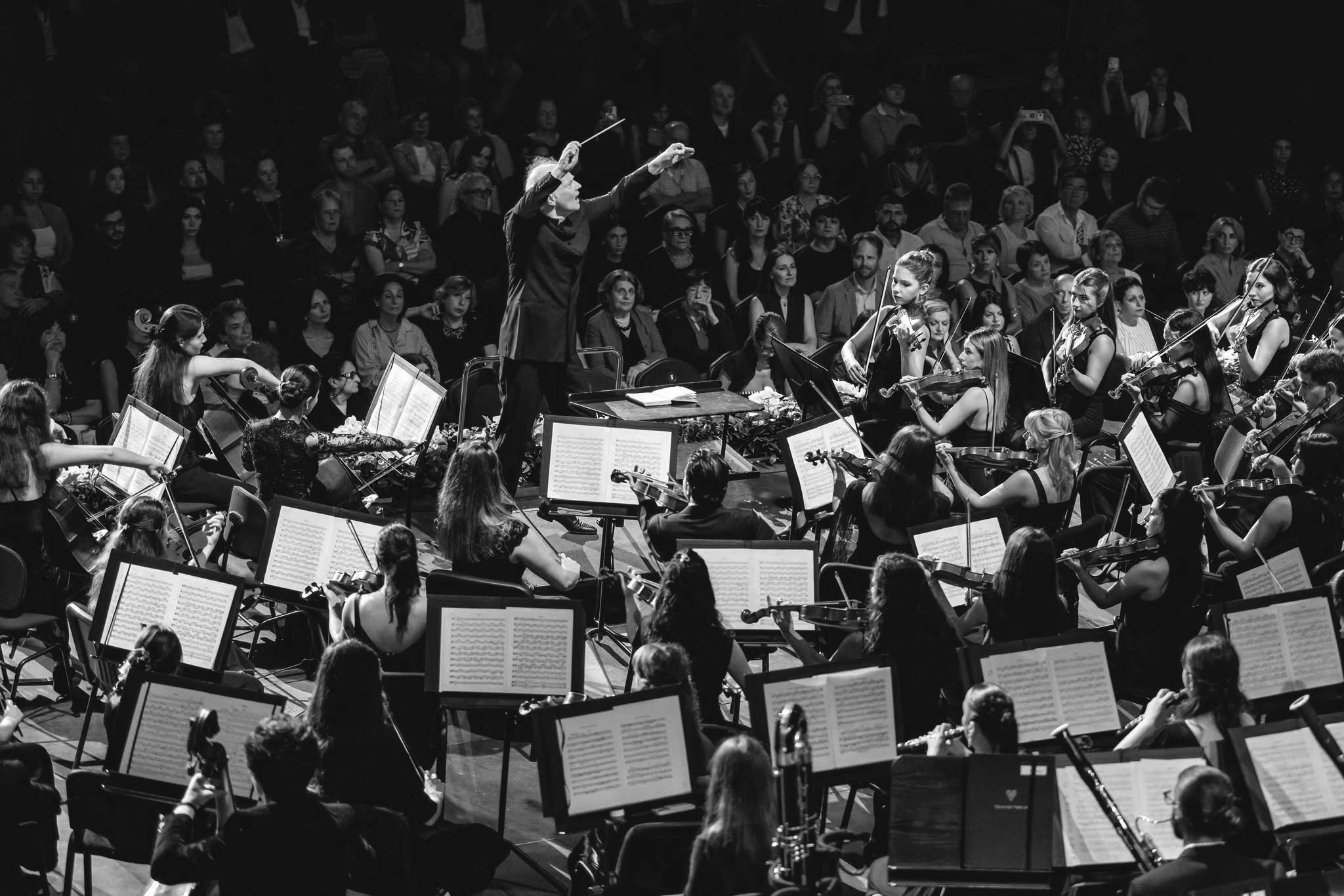
The idea gives the festival a second function beyond its concert program. Younger musicians rehearse and perform alongside artists who regularly appear at the world’s major concert halls, turning Tsinandali into both a festival and a professional platform for a new generation of performers.
The 2026 edition opened on September 3 with Georgian violinist Lisa Batiashvili, Gianandrea Noseda, and the Pan-Caucasian Youth Orchestra. Batiashvili performed Karol Szymanowski’s Violin Concerto No. 1, followed by Nikolai Rimsky-Korsakov’s “Scheherazade.”
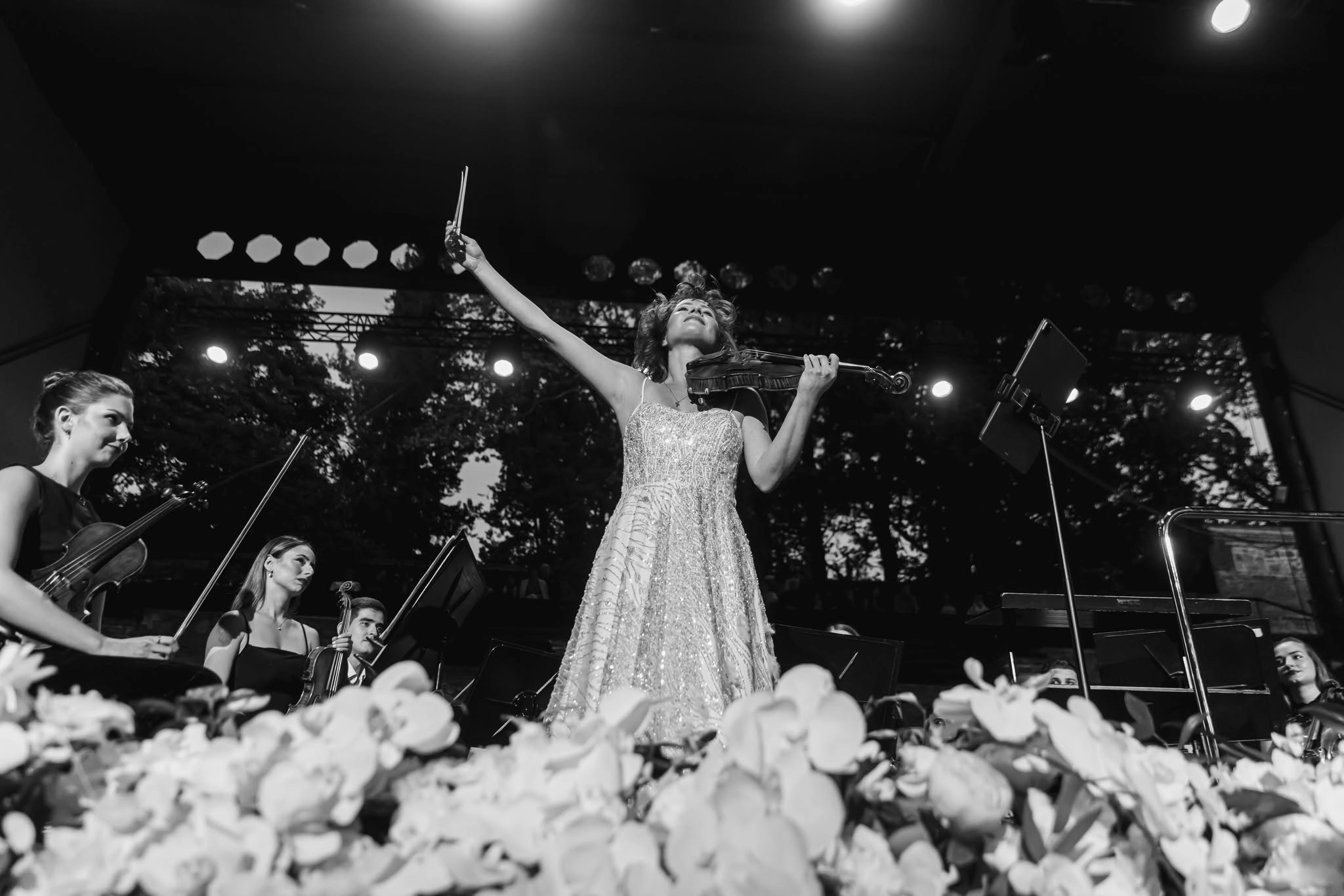
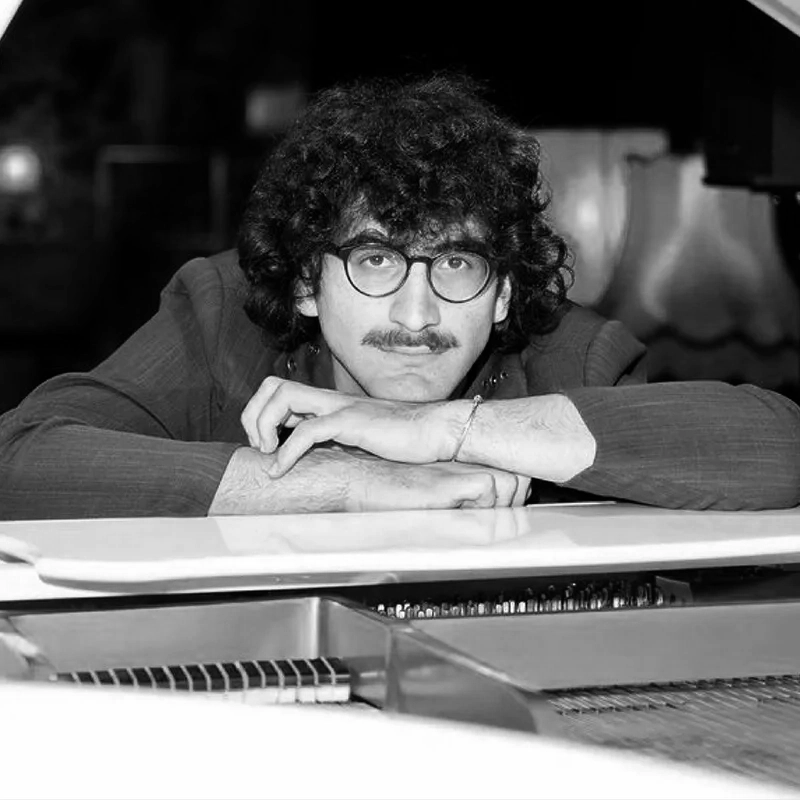
This year’s program brings together several generations of international musicians, among them Pinchas Zukerman, Sayaka Shoji, Ori Kam, Bryan Cheng, Sergei Babayan, Marc-André Hamelin, Ilya Gringolts, Kian Soltani, Raphaël Feuillâtre, and Nikolaj Szeps-Znaider. Georgian performers are equally present throughout the program, including Lisa Batiashvili, pianist Giorgi Gigashvili, violist Giorgi Mardaleishvili, and pianist Davit Khrikuli.
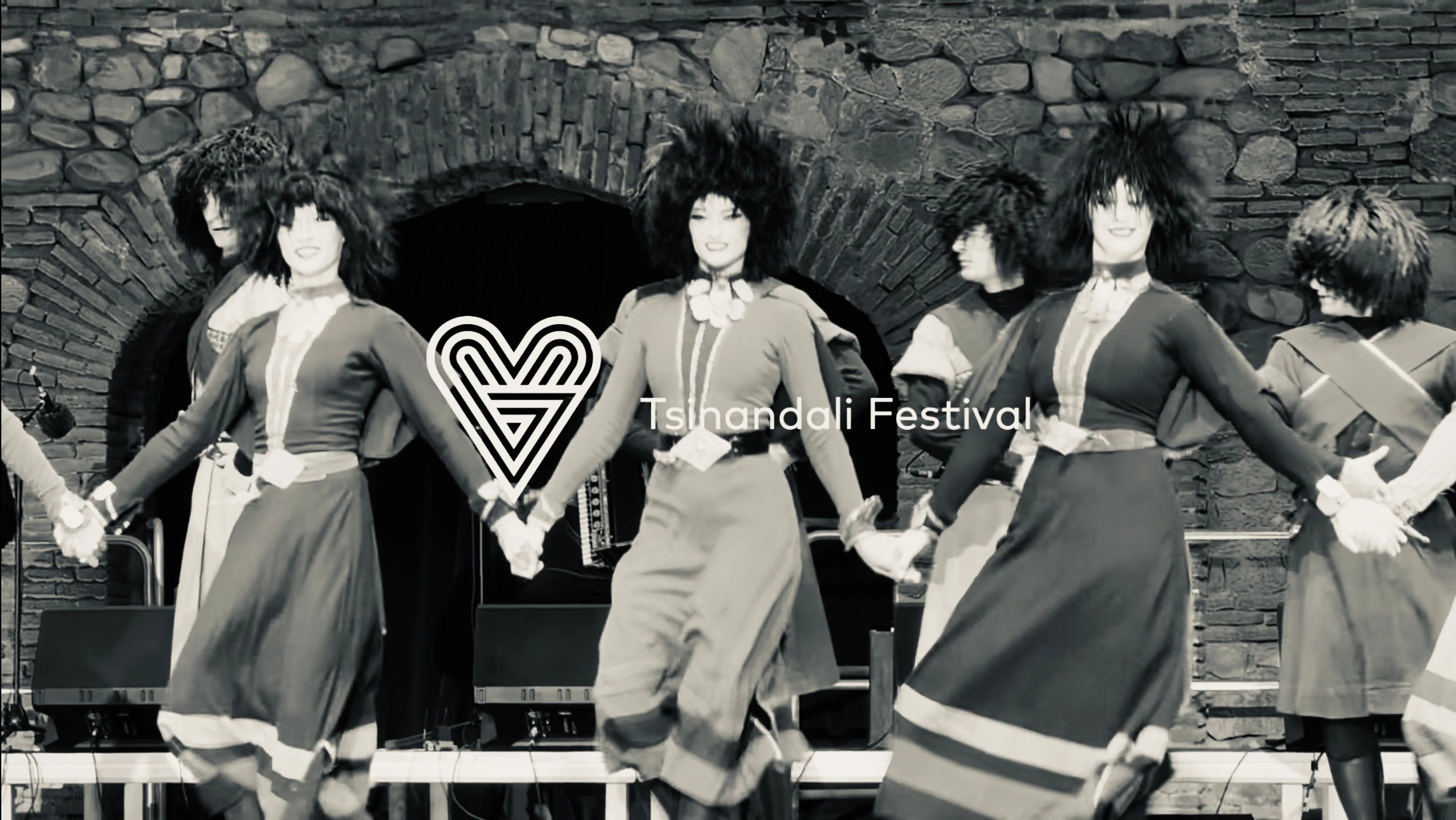
On September 5, the program moved beyond classical concert repertoire with a performance by the Georgian National Ballet Sukhishvili. Founded in Tbilisi in the 1940s, the company has long been one of the country’s most recognizable cultural institutions internationally, bringing Georgian dance into a festival otherwise centered largely on classical music.
September 6 brings several of the festival’s most prominent Georgian musicians together. Lisa Batiashvili, Giorgi Mardaleishvili, Mark Schumann, and Giorgi Gigashvili perform a program spanning Shostakovich and Mendelssohn to Georgian composers Vazha Azarashvili and Josef Bardanashvili. Later, Pinchas Zukerman joins Noseda and the Pan-Caucasian Youth Orchestra for Beethoven’s Violin Concerto and Mussorgsky’s “Pictures at an Exhibition.”
 |
|
One of the largest-scale performances of the festival comes on September 9, when Venezuelan conductor Rafael Payare leads Mahler’s Symphony No. 2, “Resurrection.” Soprano Chen Reiss and mezzo-soprano Okka von der Damerau join the Pan-Caucasian Youth Orchestra and the chorus of the Tbilisi Zakaria Paliashvili Opera and Ballet State Theatre.
Opera enters the program on September 12 with “La Tragédie de Carmen,” Peter Brook’s 1981 adaptation of Georges Bizet’s “Carmen.” Rather than reproducing Bizet’s opera at its original scale, Brook’s version concentrates the story around its central characters and dramatic conflict, making it particularly suited to a more intimate festival setting.
The festival concludes on September 13 with violinist Nikolaj Szeps-Znaider, Georgian pianist Davit Khrikuli, and the Pan-Caucasian Youth Orchestra. The closing program combines Chopin’s Piano Concerto No. 2 with Richard Strauss’s “Der Rosenkavalier” Suite and Ravel’s “La Valse.”
Tsinandali’s identity comes from the relationship between its location and its program. The estate was already a meeting place for literature, music, European cultural exchange, and winemaking in the 19th century. The contemporary festival has taken that history and given it a new international form, bringing established musicians and young performers to the same place each September.
Photo: Tsinandali Festival
Lisa Batiashvili performed at the 2026 Tsinandali Festival with Marc-André Hamelin and the Schumann Quartet, marking her third appearance at this year’s edition.
Meta Description: Major news for Harry Potter fans: Rupert Grint will reprise his role as Ron Weasley in Harry Potter and the Cursed Child on Broadway.
Almost three hours of storms, gods, monsters and Matt Damon desperately trying to get home. Christopher Nolan’s The Odyssey turns Homer into one of the biggest and most star-studded movies of the summer.