Kim Kardashian Debuts Her Law Roach Era in Archival Saint Laurent
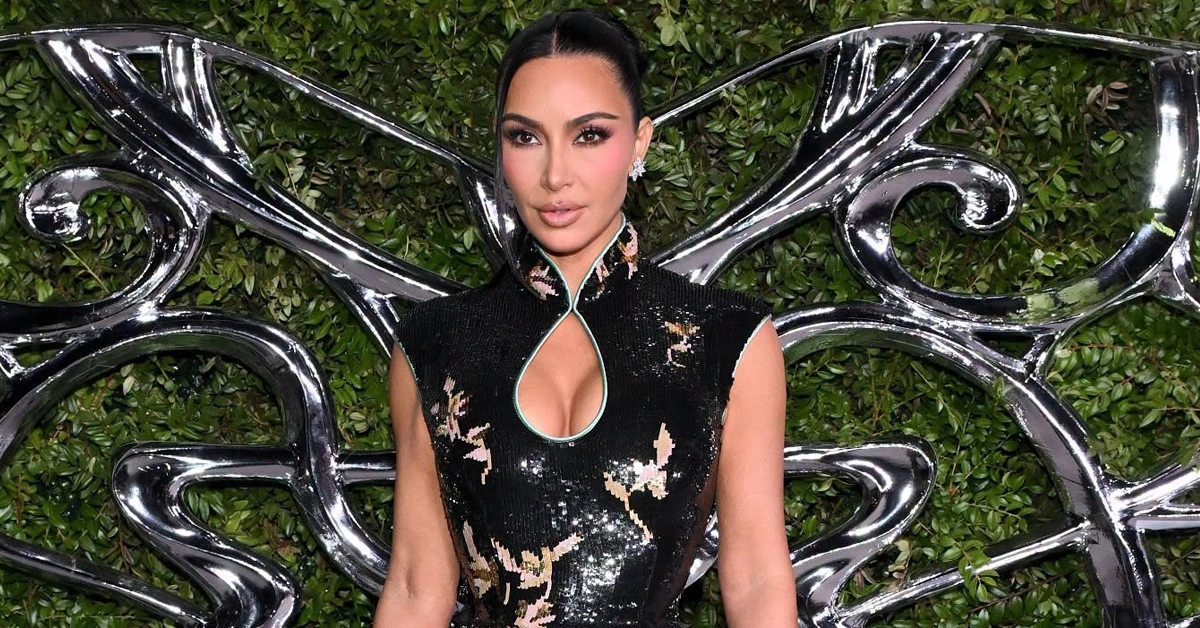
Law Roach has confirmed Kim Kardashian as a new client after styling her in an archival Tom Ford-era Saint Laurent gown for the Lucas Museum opening in Los Angeles.
Georgia, a small country with a long history of hospitality, has become a magnet for creative people from around the world. What inspires someone to build a life here is always an interesting question. Sometimes it is opportunity, sometimes coincidence, and sometimes simply a feeling that is difficult to explain.
One of those people is Italian chef Enzo Neri. What began as a short visit to Kakheti in 2015 eventually turned into a nine-year journey in Georgia. Today, he oversees the culinary direction of Swissôtel Tbilisi and Mercure Tbilisi, owns a traditional Italian restaurant, and has developed several hospitality concepts in the country.
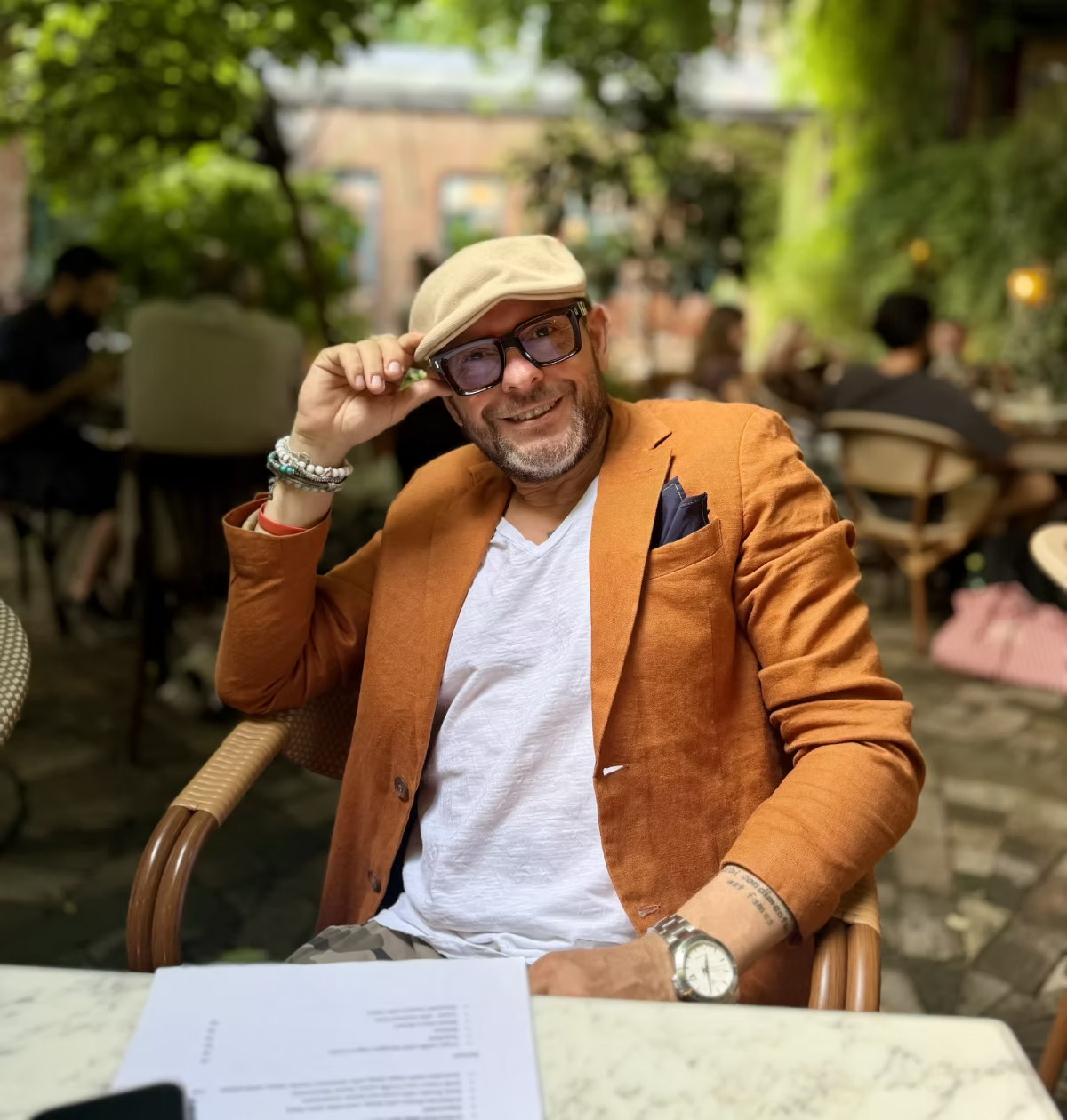
In this interview with TheDiary, he reflects on his first impressions of Georgia, the evolution of the local dining scene, the leadership lessons he has learned throughout his career, and the story behind his famous chocolate khinkali.
TheDiary: When was the first time you traveled to Georgia and how do you remember the first experience?
Enzo: I was invited in August 2015 for the first time by Gia Piradashvili to provide a masterclass at Chateau Mere in the Kakheti region.
I already knew about Georgian cuisine, as I had tried the food at several Georgian restaurants while working on a consulting project in Baku back in 2013. I had also worked with some Georgians during my time in New York City, so I was already familiar with the cuisine. However, I was truly impressed by the freshness and organic quality of the ingredients when I visited the local market in Telavi.
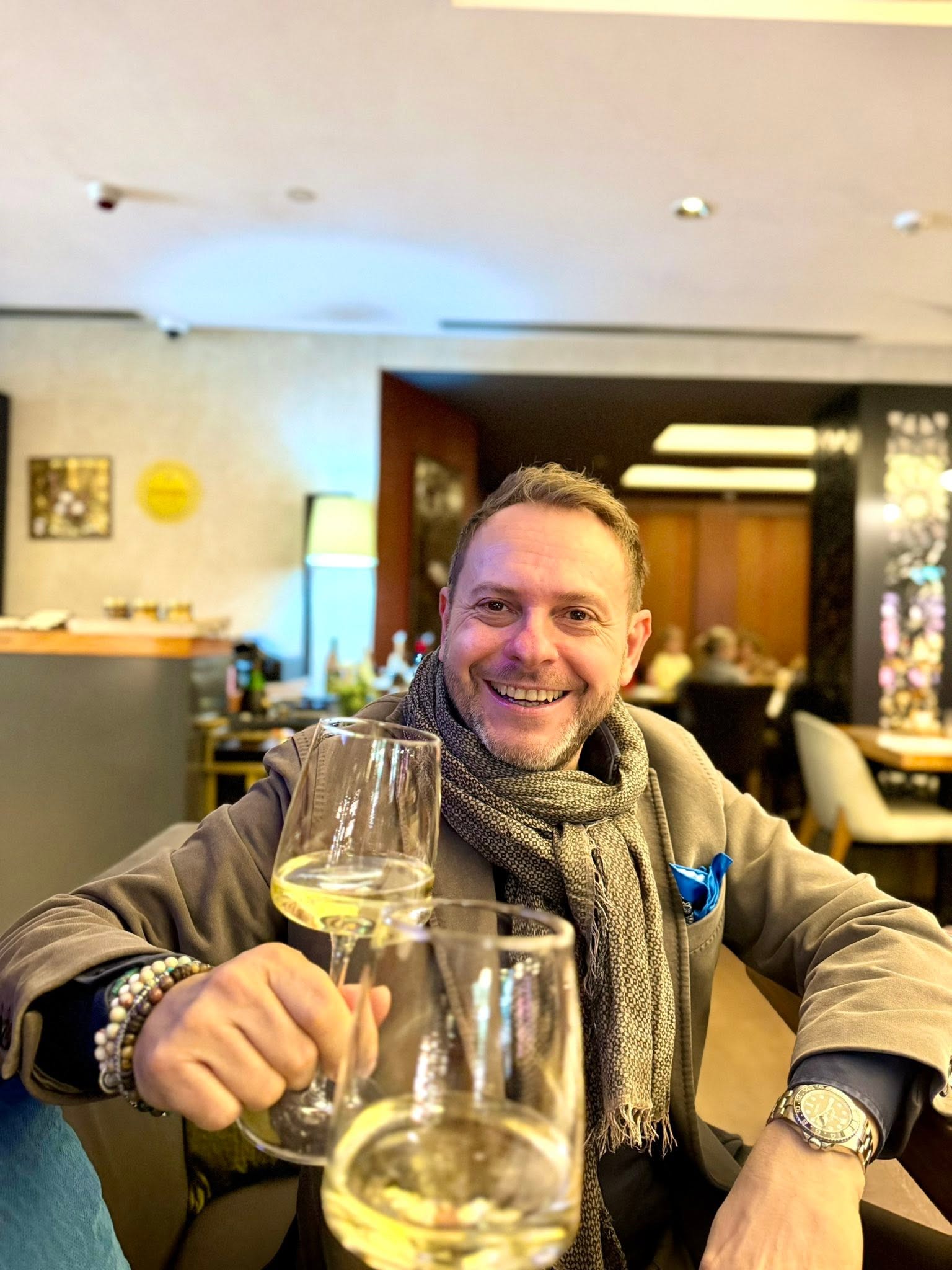
My biggest memory from that time was eating khinkali while drinking a shot of chacha with every bite!
TheDiary: What was it about Georgia that convinced you to build a life and business here?
Enzo: To be honest, nothing specifically convinced me. I always follow my instincts when it comes to work. I came back to Tbilisi in 2017 to help a good friend of mine develop La Boheme, a Mediterranean restaurant that became very popular on TripAdvisor and gave me significant media exposure. That restaurant led me to more consulting jobs, including projects with Radisson Blu and Bioli Hall in Kojori.
At the same time, I felt welcomed by the Georgian people, and I found the city very charming, with a lifestyle similar to the Italy where I grew up. All these factors combined allowed me to see Georgia as a country where I could stay for a while.
And here I am, nine years later, owning a traditional Italian restaurant and branding three F&B concepts for Accor.
TheDiary: You oversee the culinary direction of both Swissôtel Tbilisi and Mercure Tbilisi. How do you ensure that each property has its own identity?
Enzo: Since 2020, I have worked alongside Mr. Erdogan Sahin, the Cluster General Manager of both properties managed by Accor. Erdogan and I share the same vision when it comes to F&B, and he allowed me to brand the restaurants by creating the Asado Steakhouse concept and Olives. We believe that a restaurant should have a defined identity that transforms it from just another place to eat into a memorable destination that delivers a cohesive and authentic experience.
My job is to ensure that these restaurants maintain their standards, quality, and consistency, creating an authentic brand story that allows diners to feel connected to something bigger than just a meal. I can tell you that Asado, in particular, embodies these values.
TheDiary: Since you manage multiple kitchens, teams, and concepts, what have you learned about leadership throughout your career?
Enzo: First of all, I learned that my job is not just a job, it is a lifestyle. I always tell young chefs that our lives are dedicated to the happiness of others, and we work hard while others are enjoying themselves. It is a big responsibility.
Leading people is a very specific job, especially when you work with different nationalities, cultures, backgrounds, and attitudes. A good chef should be able to shift from simply managing food to actively empowering people. Of course, it is essential to pass on technical cooking skills, but leadership is defined by how you guide, inspire, and support your team under high-pressure conditions while ensuring consistency and quality.
I also believe that a good leader should be able to transform work into passion and genuine love for hospitality, turning a hot, chaotic, and stressful kitchen into a focused, high-energy environment. Managing people in these situations is tough – human beings are complex, unpredictable, and emotional, and you have to motivate them constantly.
If you reach the point where your team sees you as their ultimate career goal, you have successfully transitioned from a boss into a true mentor.
TheDiary: What qualities do you look for when building a kitchen team in Georgia?
Enzo: Strength, flexibility, humility, and a strong work ethic.
TheDiary: What do today's guests expect from a restaurant experience that they didn't expect ten years ago?
Enzo: I think it still differs from country to country. In fast-paced and food-focused cities like London or New York City, guests are much more aware of food and service quality. They want to know exactly where their food comes from, whether it is sourced from specific local farms, sustainable fisheries, or producers that prioritize animal welfare and healthier ingredients.
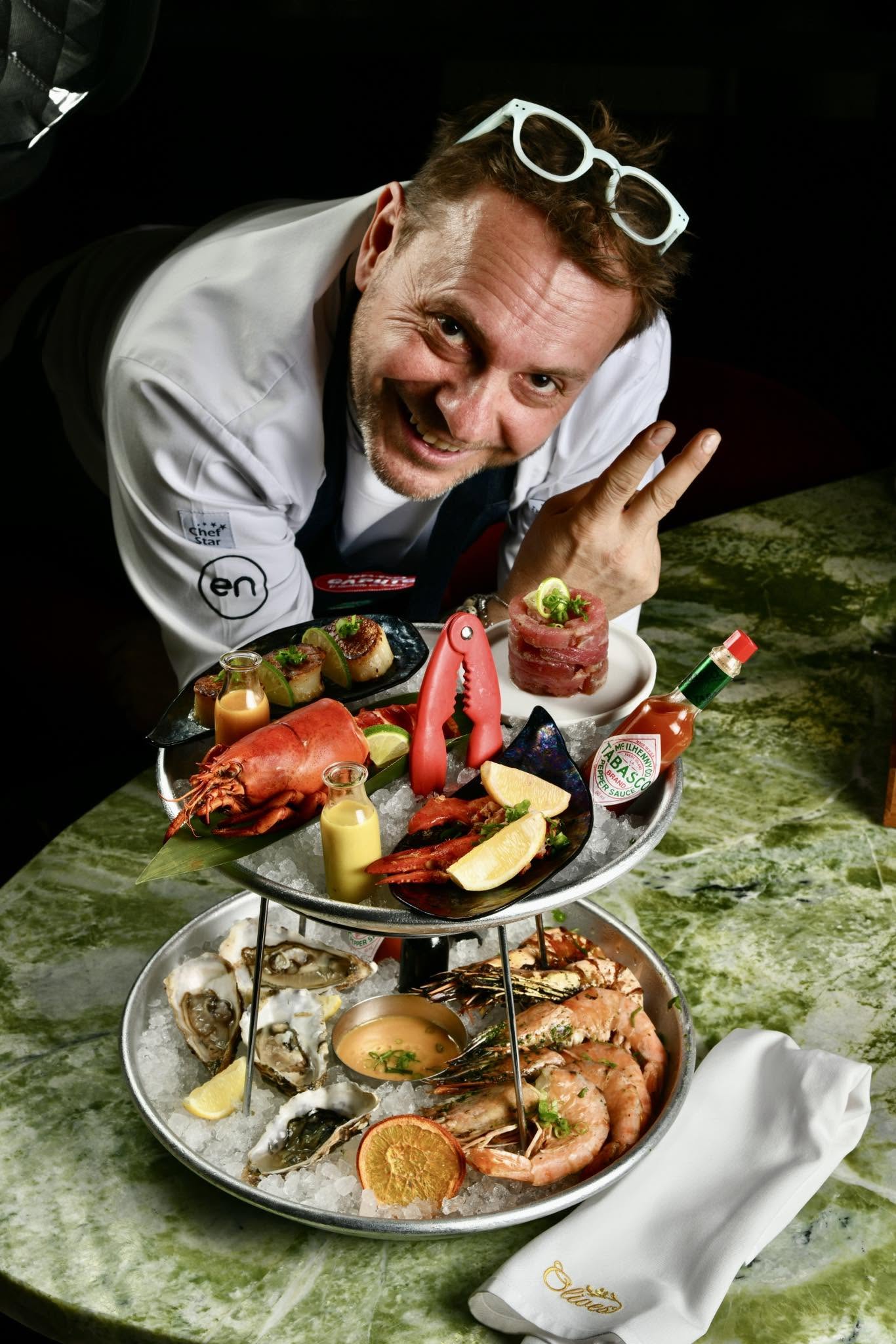
Today, eating is no longer simply a way to satisfy hunger. You can have good food delivered to your door within 20 minutes. As a result, going to a restaurant has become more of an investment and an experience.
People want to be entertained. They want to engage with chefs or staff at the table, see open kitchens, enjoy beautiful dining rooms, quality cocktails, well-presented dishes, and highly curated interior design that tells a cohesive visual story. They are looking for an Instagram-worthy experience that they can share online.
TheDiary: Tell us about your famous chocolate khinkali. How was the idea born?
Enzo: After returning to New York City from Georgia, a local magazine asked me to transform a Georgian dish into an Italian-inspired recipe. As I mentioned before, I really liked khinkali, which also reminded me of a type of Italian ravioli. I decided to turn the savory version into a dessert. The inspiration came from a Tuscan Renaissance dish in which ravioli were made with chocolate dough.
So I stuffed the khinkali with nadugi and icing sugar, mixed with nuts, mint, and orange. While traditional meat khinkali release their juices when eaten, my version is served on a velvet crème anglaise to recreate a similar texture. Some people were offended by my creation, but for me it was actually a tribute to Georgian tradition. Today, I know it is served in some restaurants, but nobody gives me credit for it.
TheDiary: Which country's cuisine taught you the most valuable lesson that still influences your work today?
Enzo: Without a doubt, my own country. Italian cuisine is deeply rooted in its heritage and has recently gone down in history as the first entire national culinary tradition to be designated as an Intangible Cultural Heritage by UNESCO.
TheDiary: Outside of cooking, what inspires your creativity?
Enzo: Art, history, and nature have helped me elevate food into a multisensory experience.
I remember that more than 25 years ago, while working at the Michelin-starred restaurant "Il Postale," my mentor, colleagues, and I visited an exhibition by a famous local artist. After absorbing the style, technique, and colors of the artwork, we recreated a guinea fowl dish inspired by the same visual language, reproducing its shapes and textures through ingredients. It was magical and inspiring. Those memories still make me emotional today.
Law Roach has confirmed Kim Kardashian as a new client after styling her in an archival Tom Ford-era Saint Laurent gown for the Lucas Museum opening in Los Angeles.
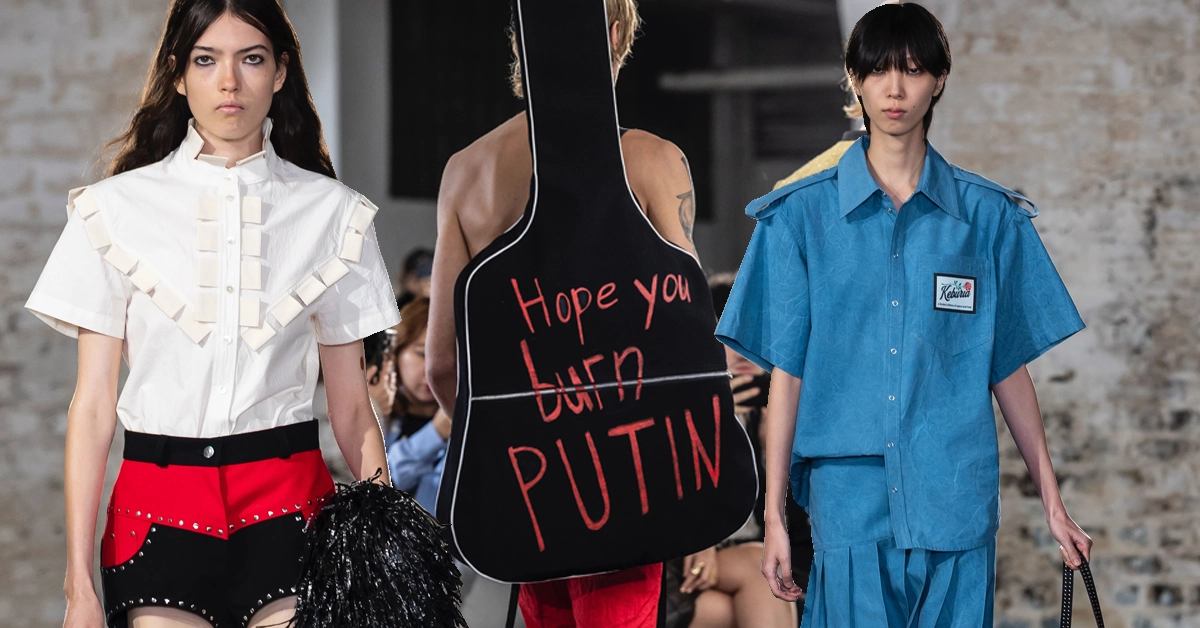
KEBURIA’s SS27 show at London Fashion Week opened with an anti-Putin message, followed by sharp tailoring and British countryside references.
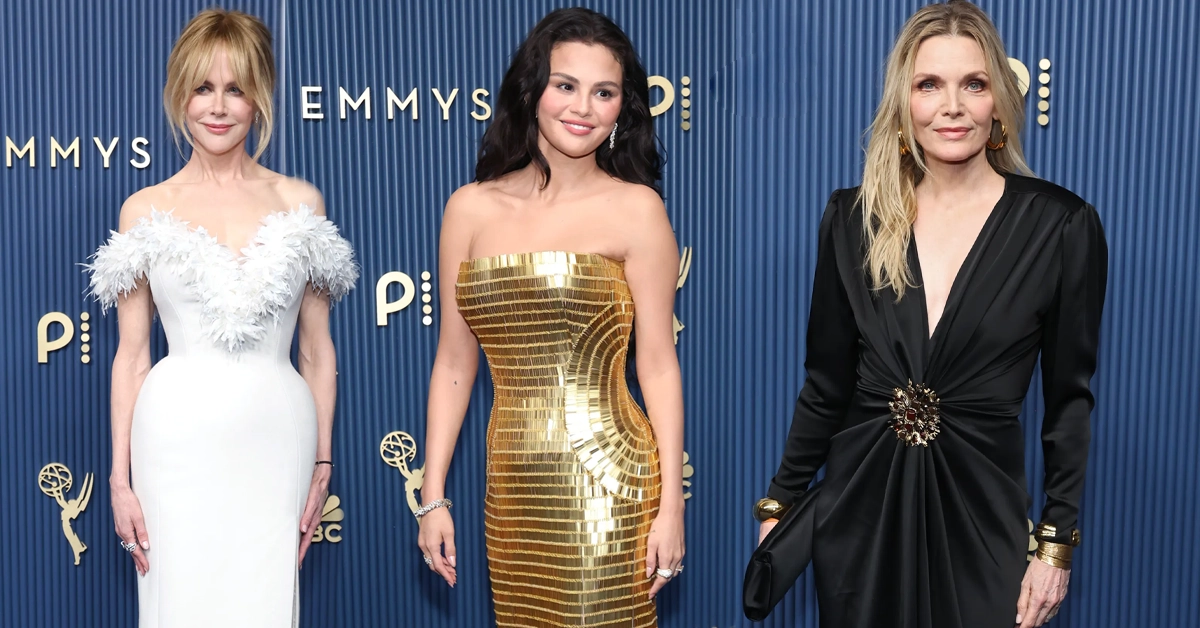
The best red carpet looks from the 2026 Emmys, featuring Zendaya in Prada, Selena Gomez in Louis Vuitton, and Nicole Kidman in Chanel.