Kim Kardashian Debuts Her Law Roach Era in Archival Saint Laurent
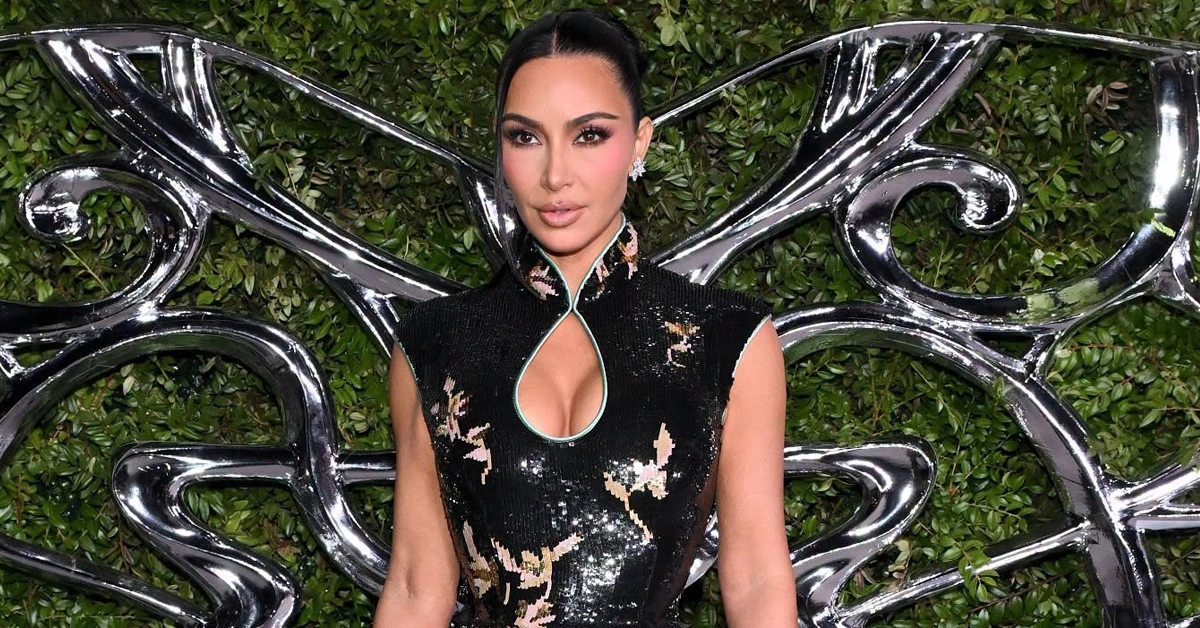
Law Roach has confirmed Kim Kardashian as a new client after styling her in an archival Tom Ford-era Saint Laurent gown for the Lucas Museum opening in Los Angeles.
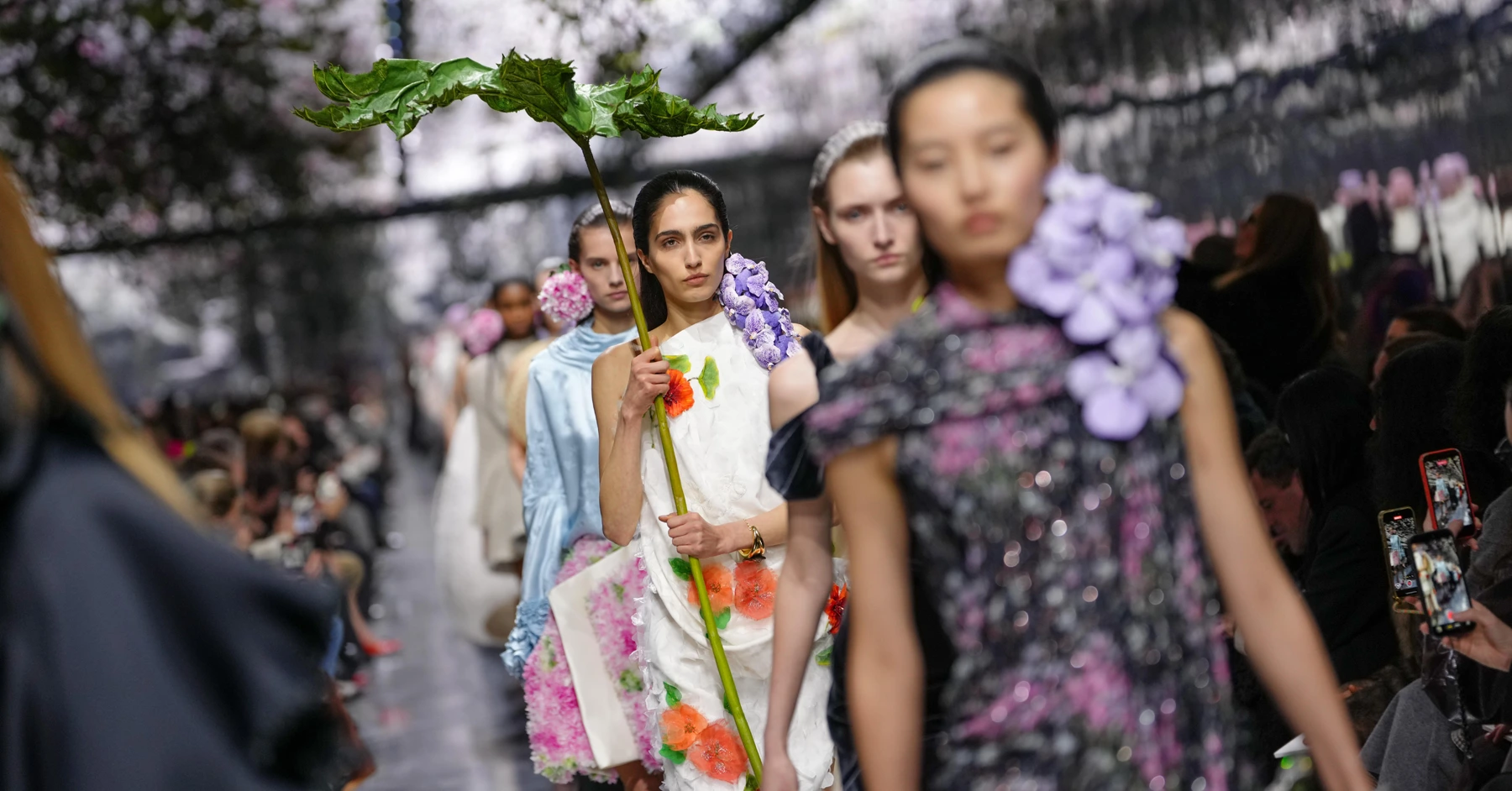
Jonathan Anderson’s haute couture debut for Dior unfolded as one of the defining moments of Paris Haute Couture Week. Shown at the Musée Rodin, the collection marked Anderson’s first couture presentation for the house and his most symbolic statement since assuming creative direction across women’s, men’s, and haute couture lines.
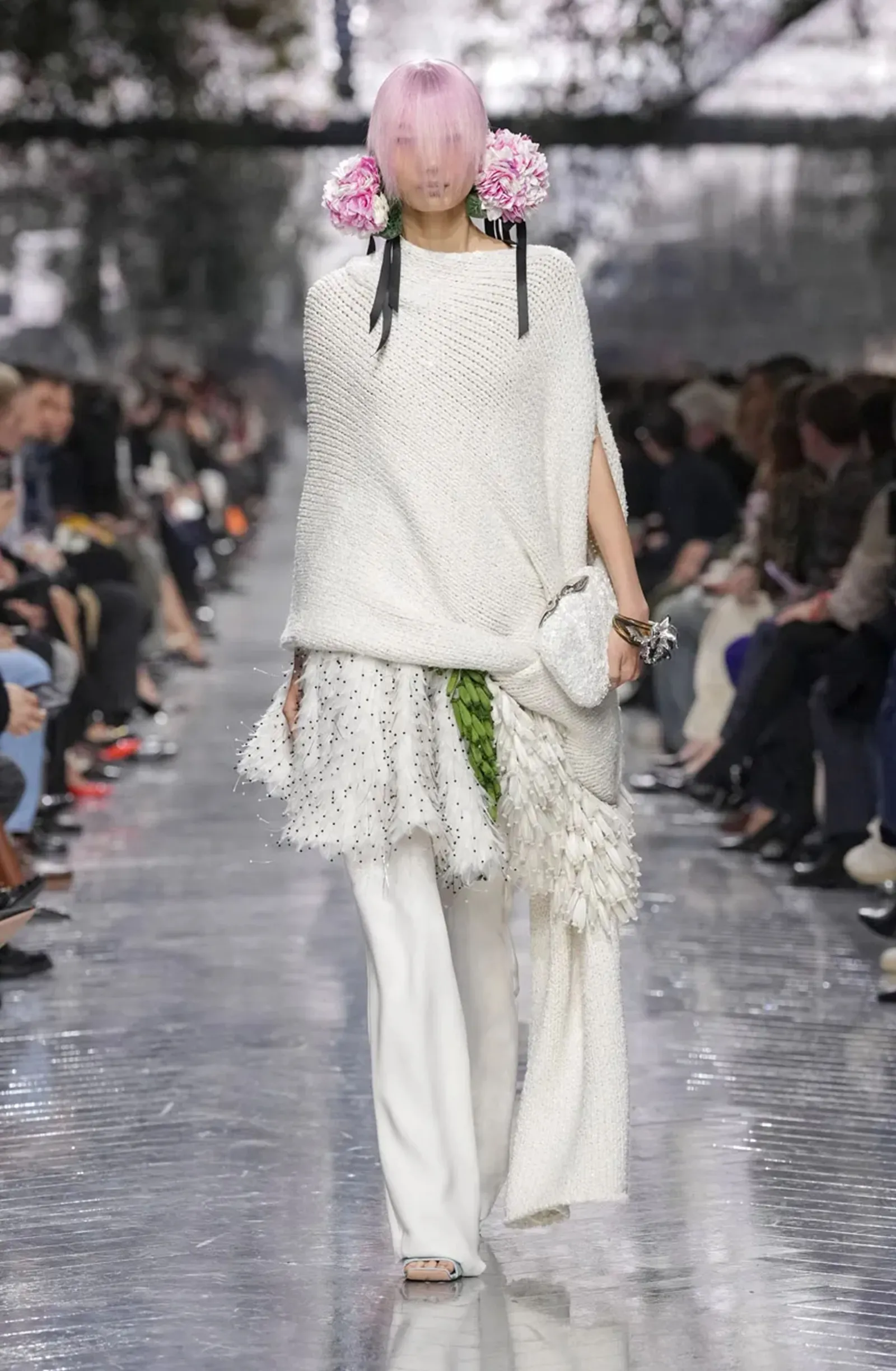
The setting carried deliberate weight. The Musée Rodin, long associated with Dior’s couture history, framed the show within a dialogue between sculpture and fashion. Against this backdrop, Anderson presented a collection grounded in craft, material intelligence, and references to the natural world. Botanical motifs, sculptural silhouettes, and finely worked textiles were not decorative gestures but structural elements, reinforcing couture as a discipline of construction rather than spectacle.
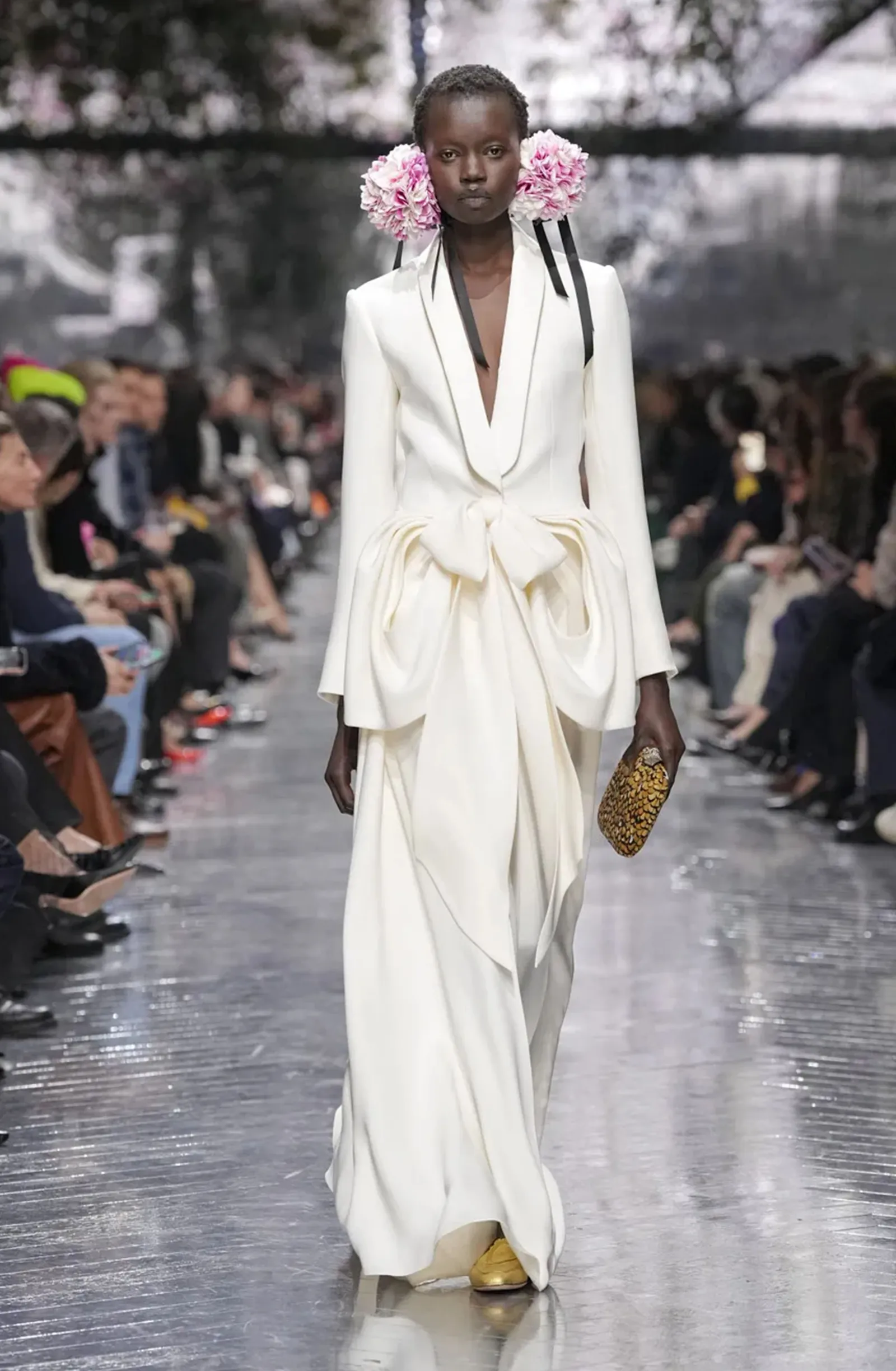
The collection drew from Dior’s archival language without direct replication. Elements recalling the house’s historical silhouettes appeared subtly transformed, filtered through Anderson’s restrained approach to volume and proportion. Hand embroidery, layered silks, and sculpted forms suggested flowers, seed pods, and organic growth patterns, positioning nature as both inspiration and method. The result was a couture vocabulary that felt precise and controlled, yet quietly experimental.
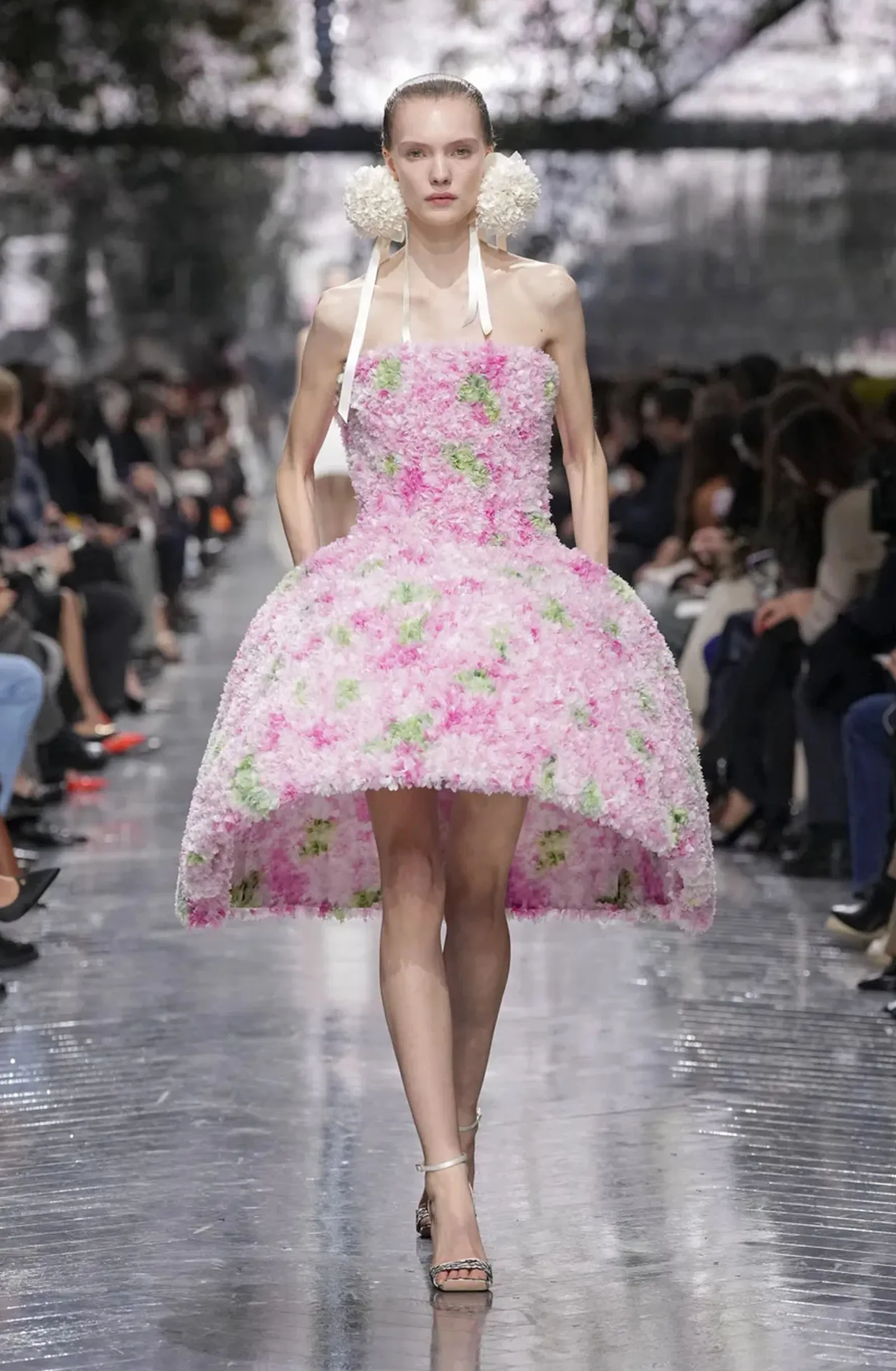
What elevated the show beyond its aesthetic impact was its cultural reception. Industry observers focused on the way Anderson reframed couture as a contemporary practice rooted in knowledge and technique rather than nostalgia. The collection was widely discussed as a strategic reset, reaffirming couture’s role within Dior not only as a symbolic pinnacle but as a laboratory for ideas that can influence the broader brand narrative.
The front row underscored the historical and cultural significance of the moment. Alongside figures such as Rihanna, Jennifer Lawrence, and Rosamund Pike, the presence of John Galliano carried particular weight. Galliano’s tenure at Dior defined one of the most influential couture eras of the modern fashion system, and his attendance was widely interpreted as a gesture of continuity between past and present. It reinforced the sense that Anderson’s debut was not an isolated moment, but part of a longer historical arc within the house.
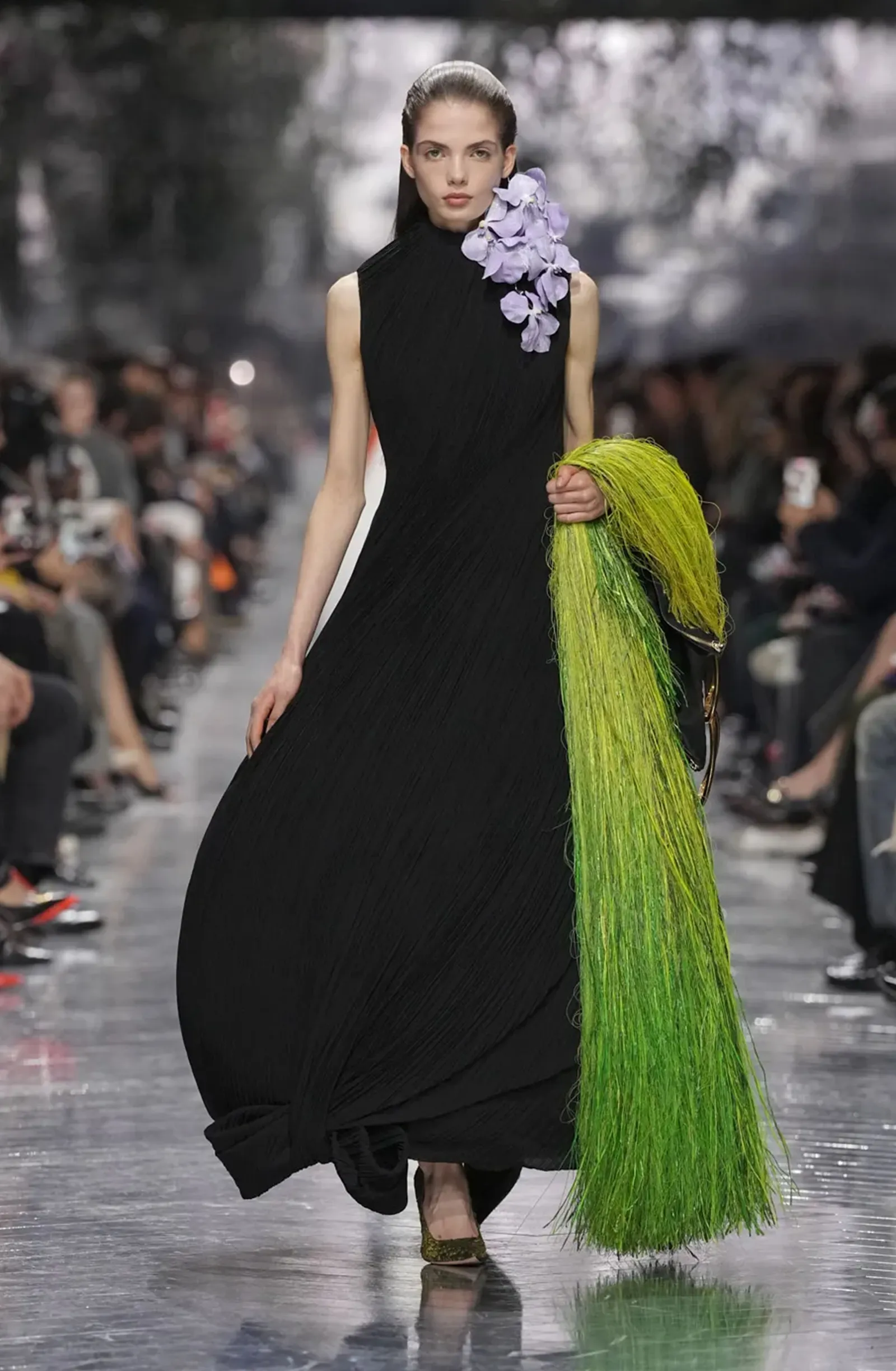
In this debut, Dior’s haute couture did not look backward, nor did it attempt to redefine itself through rupture. Instead, it proposed continuity through craft, offering a recalibrated understanding of what couture can represent today: a space where heritage, technique, and contemporary sensibility coexist without hierarchy.
Law Roach has confirmed Kim Kardashian as a new client after styling her in an archival Tom Ford-era Saint Laurent gown for the Lucas Museum opening in Los Angeles.
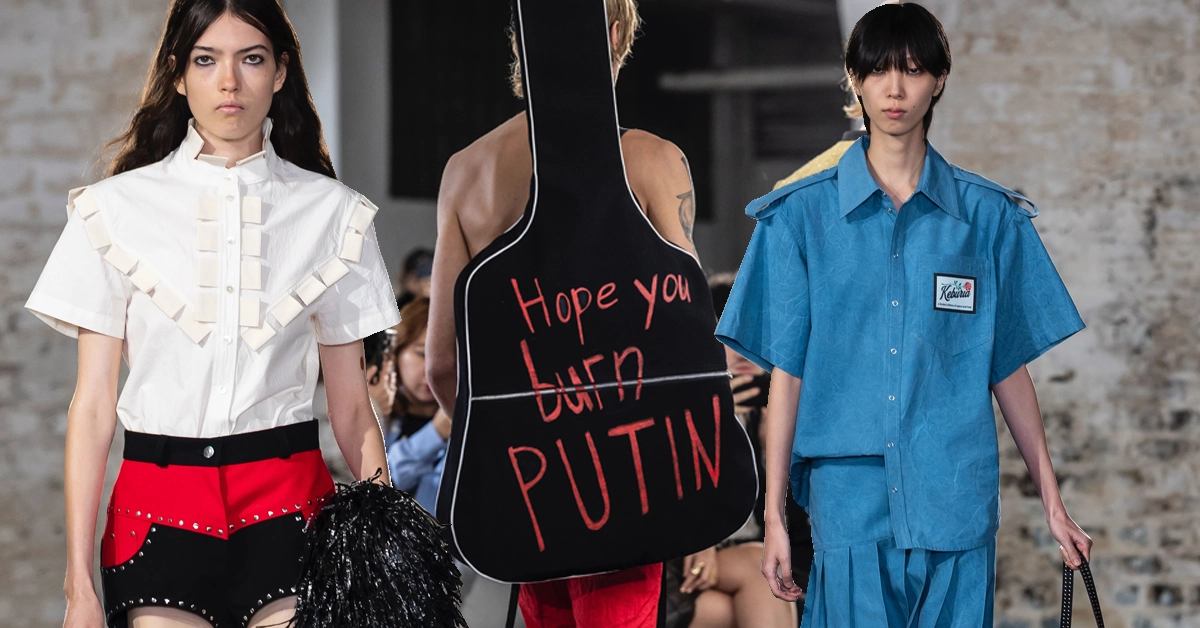
KEBURIA’s SS27 show at London Fashion Week opened with an anti-Putin message, followed by sharp tailoring and British countryside references.
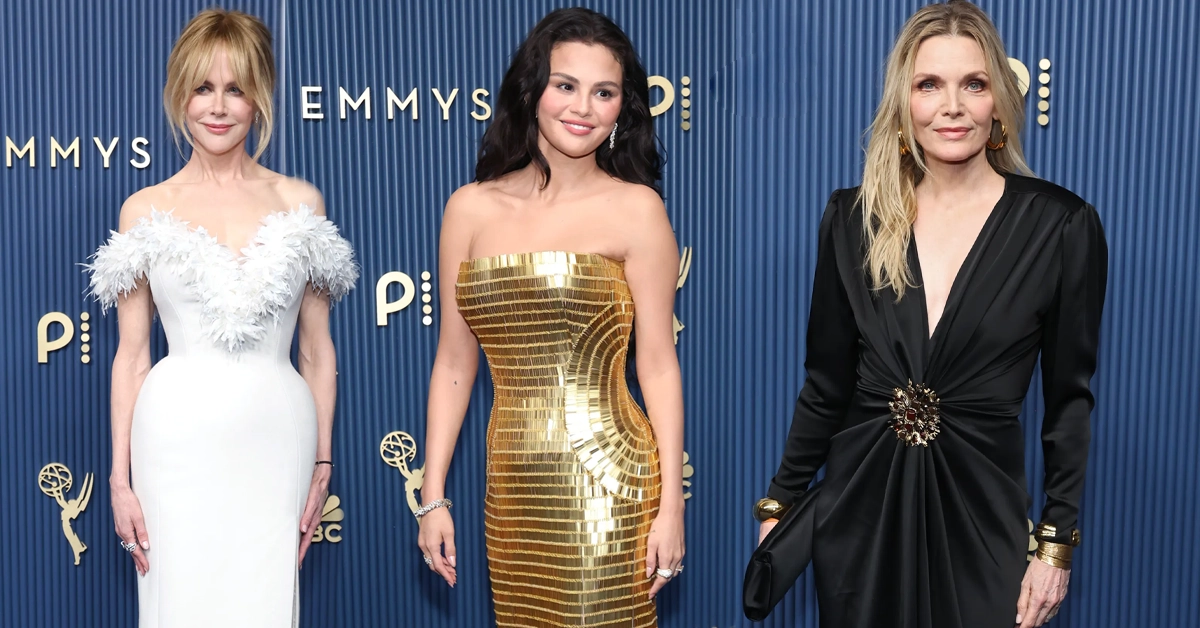
The best red carpet looks from the 2026 Emmys, featuring Zendaya in Prada, Selena Gomez in Louis Vuitton, and Nicole Kidman in Chanel.